Introduction
- Semaglutide has become one of the most discussed medicines in recent years because of its strong role in weight loss and blood sugar control.
- It was originally developed for the treatment of type 2 diabetes, but now it is also widely prescribed for obesity management under medical supervision.
- It is commonly given as a once-weekly injection, which makes treatment convenient for many patients.
- The medicine works mainly by reducing appetite, helping patients feel full earlier and eat less food.
- Because of this appetite suppression, many people experience gradual and significant body weight loss over time.
- Semaglutide has gained major medical attention because obesity is increasing worldwide and traditional methods such as diet and exercise alone often do not produce sufficient results in many patients.
- Clinical studies show that semaglutide can help patients lose more weight than lifestyle modification alone, especially when combined with healthy eating and regular physical activity.
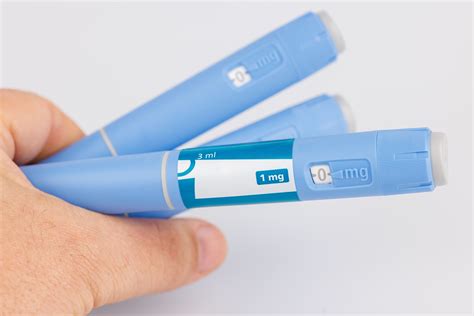
- Doctors usually recommend semaglutide for:
- Adults with obesity (BMI ≥ 30 kg/m²)
- Adults with overweight (BMI ≥ 27 kg/m²) who also have associated diseases such as diabetes, hypertension, or fatty liver disease
- It may be especially useful in people who:
- Have failed repeated diet plans
- Have difficulty controlling appetite
- Have obesity-related metabolic problems
- Need additional medical support for long-term weight reduction
- Semaglutide should always be used under physician supervision, because dose adjustment, side effect monitoring, and patient selection are very important.
What is Semaglutide?
Semaglutide belongs to a group of medicines called GLP-1 receptor agonists. GLP-1 is a hormone naturally produced in the intestine after eating. It helps regulate blood sugar and appetite.
Semaglutide works by:
- Slowing stomach emptying
- Increasing fullness after meals
- Reducing hunger signals in the brain
- Lowering food cravings
- Improving insulin secretion
Because food remains longer in the stomach, a person feels full earlier and eats less. This leads to gradual weight reduction.
How Semaglutide Helps in Weight Loss
The main reason semaglutide causes weight loss is appetite suppression. It affects appetite control centers in the brain, making people naturally eat fewer calories.
Patients often report:
- Reduced hunger
- Smaller portion size
- Less desire for sweets
- Better control over emotional eating

Clinical studies show many patients can lose 10% to 15% of body weight over several months when semaglutide is combined with proper diet and physical activity.
For example:
- A person weighing 100 kg may lose 10–15 kg over time
- Weight loss usually starts within the first few weeks
- Maximum effect often appears after several months
Why Semaglutide is Different from Ordinary Weight Loss Medicines
Many older weight loss medicines work by stimulating the nervous system or suppressing appetite temporarily. Semaglutide works through hormonal pathways, which makes it more effective and sustainable.
Benefits include:
- Weekly dosing instead of daily tablets
- Better long-term results
- Improvement in metabolic health
- Reduced risk of weight regain when monitored properly
It also improves:
- Blood sugar levels
- Blood pressure
- Cholesterol profile
This makes it useful for overweight individuals who also have metabolic diseases.
Major Benefits of Semaglutide
1. Significant Weight Reduction
The strongest benefit is measurable body weight loss over months.
2. Better Blood Sugar Control
It was first developed for type 2 diabetes and remains highly effective in reducing glucose levels.
3. Reduced Risk of Obesity Complications
Weight reduction lowers risk of:
- hypertension
- fatty liver disease
- sleep apnea
- insulin resistance
4. Improved Satiety
People feel satisfied after smaller meals.
5. Weekly Administration
Once-weekly injection improves convenience.
Who Should Use Semaglutide?
Semaglutide is generally prescribed for:
- Adults with obesity
- Adults with overweight plus medical problems
- Patients with type 2 diabetes and excess body weight
Usually doctors recommend it when:
- BMI is 30 or above
- BMI is 27 or above with associated disease such as diabetes or hypertension
It is especially considered when diet and exercise alone have failed.
Who Should Not Use Semaglutide?
This medicine is not suitable for everyone.
Avoid or use carefully in:
- Pregnancy
- Breastfeeding
- Severe gastrointestinal disease
- History of pancreatitis
- Severe kidney problems
- Certain thyroid disorders
People with family history of thyroid tumors need medical screening before starting treatment.
Common Side Effects of Semaglutide
Like any medicine, semaglutide can produce side effects.
Most common side effects are:
- Nausea
- Vomiting
- Constipation
- Diarrhea
- Stomach discomfort
- Bloating
- Reduced appetite
These usually appear in early weeks and improve gradually.
Why Nausea Happens
Semaglutide slows stomach emptying. Food stays longer in the stomach, causing fullness and sometimes nausea.
To reduce nausea:
- Eat small meals
- Avoid oily foods
- Eat slowly
- Stay hydrated
Serious Side Effects That Need Medical Attention
Though less common, some serious problems can occur.
These include:
- Severe abdominal pain
- Persistent vomiting
- Pancreatitis
- Gallbladder disease
- Dehydration
- Low blood sugar (especially with diabetes medicines)
Immediate medical consultation is required if severe symptoms occur.
How Semaglutide is Taken
Semaglutide is usually given as a once-weekly injection under the skin.
Common injection sites:
- Abdomen
- Thigh
- Upper arm
Doctors usually start with a low dose and increase gradually to reduce side effects.
Typical dose escalation:
- Low starting dose
- Gradual increase every few weeks
- Maintenance dose after adaptation
Dose adjustment must always be supervised by a doctor.
Cost of Semaglutide
The price of semaglutide varies depending on country, brand, and dose.
Factors affecting cost:
- Brand availability
- Imported versus local supply
- Dose strength
- Pharmacy pricing
In many places, monthly cost can be high, making long-term use expensive.
Some patients stop treatment because of cost, but stopping suddenly may lead to weight regain if lifestyle changes are not maintained.
Is Semaglutide a Permanent Solution?
Semaglutide is highly effective, but it is not a permanent cure for obesity.
Long-term success depends on:
- Healthy diet
- Physical activity
- Sleep control
- Stress reduction
Without lifestyle changes, weight may return after stopping medicine.
Can Semaglutide Reduce Belly Fat?
Yes, semaglutide helps reduce overall body fat, including abdominal fat.
Abdominal obesity is strongly linked with:
- insulin resistance
- fatty liver
- heart disease
Reducing belly fat improves metabolic health significantly.
Is Semaglutide Safe for Non-Diabetic People?
Yes, many obesity patients without diabetes use semaglutide under medical guidance.
Doctors prescribe it after assessing:
- BMI
- metabolic risk
- medical history
- medication interactions
Important Medical Advice Before Starting
Before using semaglutide:
- Consult a physician
- Check blood sugar
- Evaluate kidney function
- Review thyroid history
- Discuss current medicines
Self-medication should be avoided.