Care and Maintenance During Summer
Summer is a season characterized by high temperatures, intense sunlight, and increased humidity. While it brings longer days and opportunities for outdoor activities, it can also pose several health challenges such as dehydration, heat exhaustion, skin problems, and fatigue. Proper care and maintenance of the body during summer are essential to maintain good health and prevent heat-related illnesses.
Adopting healthy lifestyle habits such as proper hydration, balanced nutrition, sun protection, and good hygiene can help individuals stay comfortable and energetic during the hot months. The following points describe important aspects of summer care and maintenance.
Importance of Staying Hydrated
One of the most important aspects of summer care is maintaining adequate hydration. During hot weather, the body loses a large amount of water through sweating. This loss of fluids can lead to dehydration if not replenished regularly.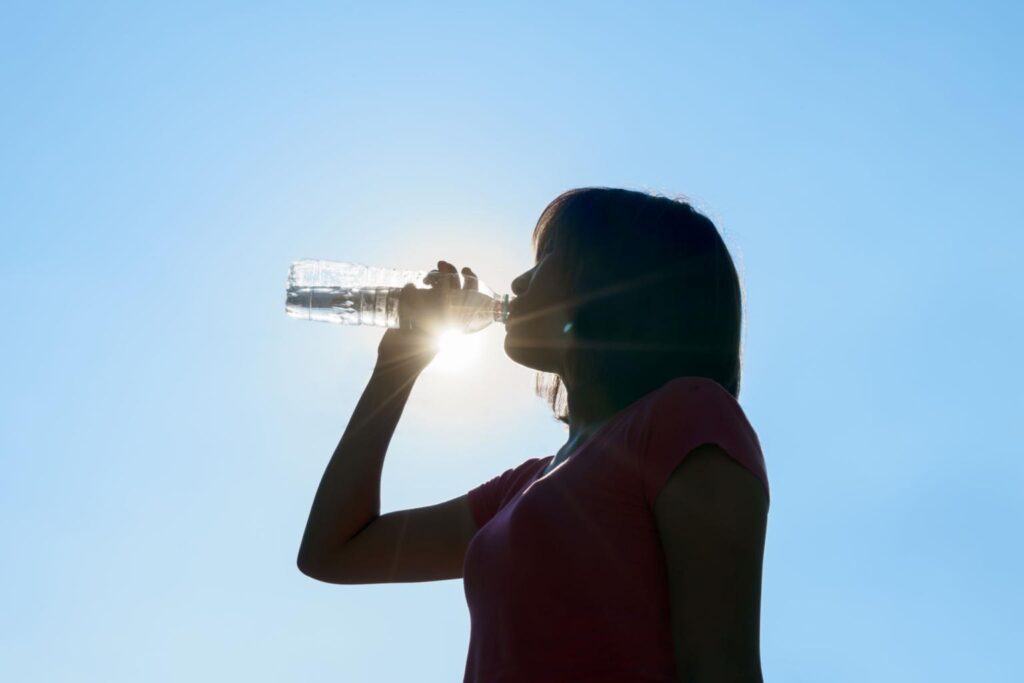
People should drink 2–3 liters of water daily, and even more if they are physically active or exposed to direct sunlight.
Healthy hydration options include:
-
Plain drinking water
-
Coconut water
-
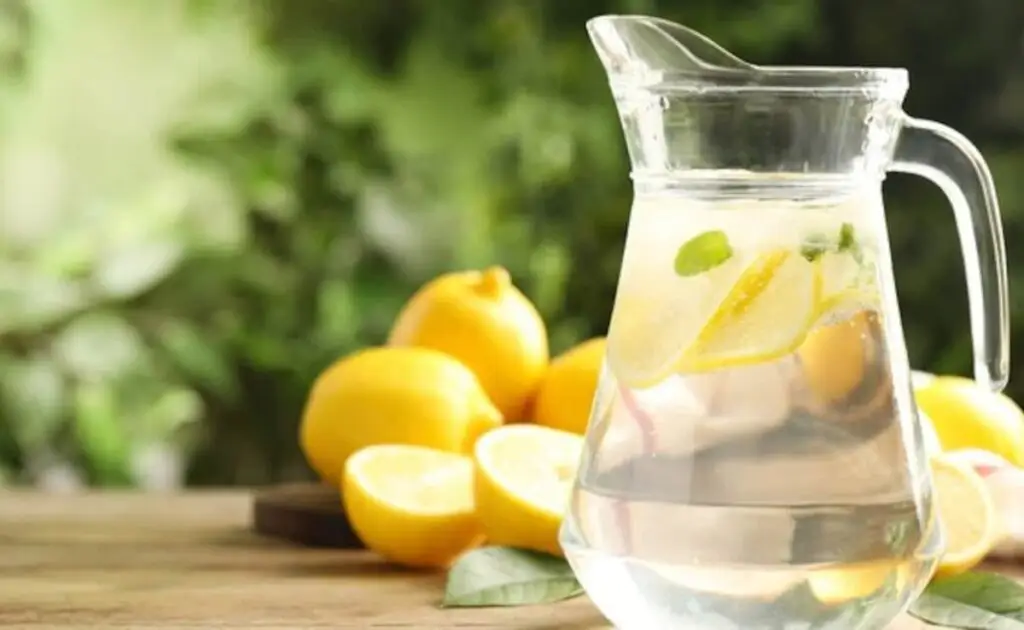
Lemon water
-
Buttermilk
-
Fresh fruit juices
Avoid excessive intake of caffeinated drinks and sugary beverages because they may increase dehydration.
Eat a Balanced and Light Diet
Diet plays a significant role in maintaining health during summer. Heavy, oily, and spicy foods may increase body heat and cause digestive discomfort.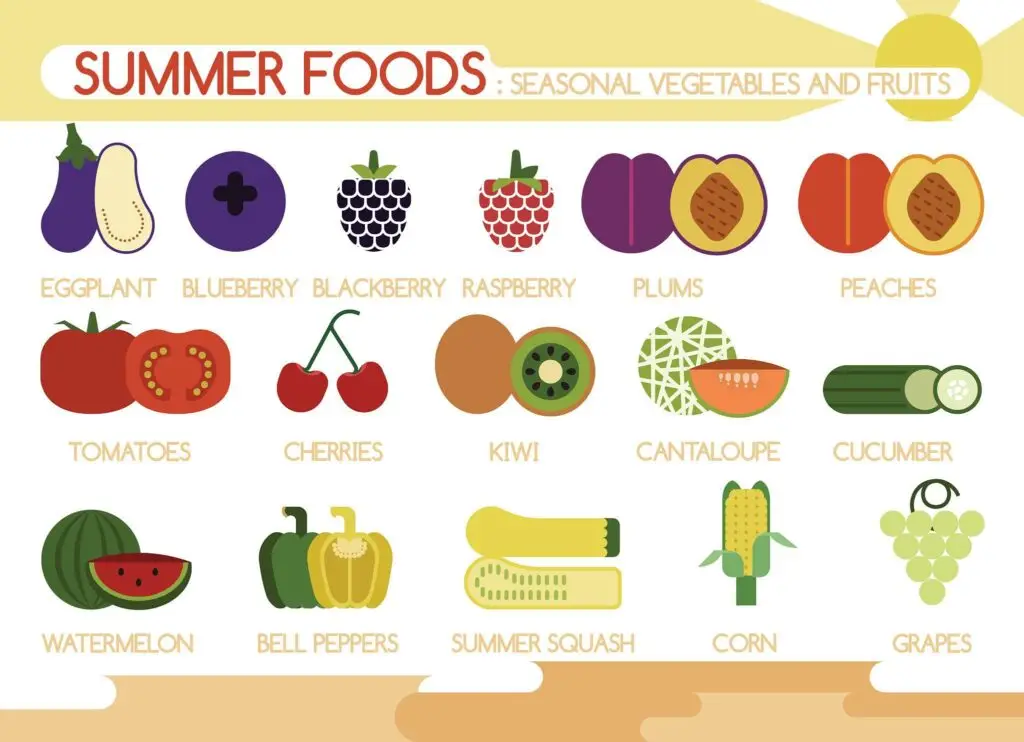
A balanced summer diet should include:
Fresh fruits:
Water-rich fruits such as watermelon, muskmelon, oranges, grapes, and papaya help maintain hydration and provide essential vitamins.
Vegetables:
Vegetables such as cucumber, spinach, tomatoes, bottle gourd, and carrots provide fiber, minerals, and antioxidants.
Protein sources:
Include lentils, beans, paneer, nuts, and soy products to maintain muscle strength and energy levels.
Whole grains:
Whole wheat, oats, and millets provide long-lasting energy.
Eating smaller meals at regular intervals helps maintain proper digestion during summer.
Protect the Body from Sun Exposure
Exposure to strong sunlight can cause sunburn, tanning, heat exhaustion, and skin damage. Therefore, protecting the body from direct sunlight is important.
Some protective measures include:
-
Avoid outdoor activities between 12 PM and 3 PM, when the sun is strongest.
-
Wear light-colored cotton clothes that allow proper air circulation.
-
Use caps, hats, or umbrellas while going outdoors.
-
Apply sunscreen with SPF 30 or higher to protect the skin.
-
Wear sunglasses to protect the eyes from harmful UV rays.
These measures help reduce the risk of sun-related health problems.
Maintain Proper Personal Hygiene
High temperatures during summer lead to excessive sweating, which can promote bacterial growth and cause skin infections or body odor.
Maintaining good hygiene is therefore essential.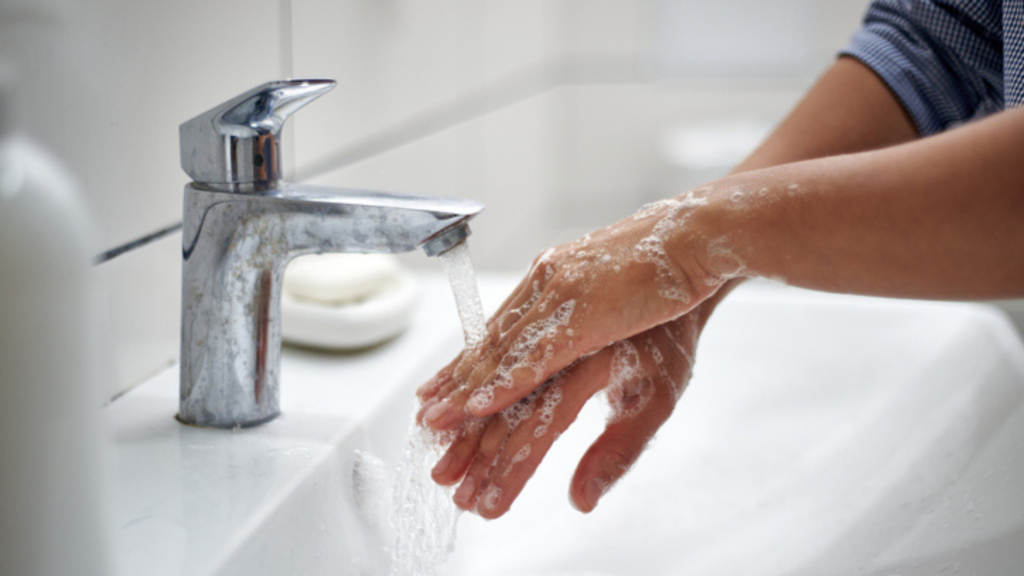
Important hygiene practices include:
-
Taking one or two baths daily.
-
Wearing clean and breathable cotton clothes.
-
Changing sweaty clothes immediately.
-
Keeping skin dry to prevent fungal infections.
-
Washing hands frequently to prevent infections.
Proper hygiene improves comfort and helps prevent skin problems during hot weather.
Take Care of Skin Health
Skin problems such as acne, sunburn, rashes, and tanning are common during summer due to increased sweat and sun exposure.
To maintain healthy skin:
-
Wash the face 2–3 times a day with a mild cleanser.
-
Use sunscreen before going outdoors.
-
Apply light moisturizers to prevent dryness.
-
Avoid heavy makeup during hot weather.
-
Drink sufficient water to maintain skin hydration.
Healthy skincare habits help keep the skin fresh and protected.
Maintain Hair Care
Summer heat, dust, and sweat can affect hair and scalp health. Proper hair care helps prevent problems such as dandruff, oily scalp, and hair fall.
Useful hair care tips include:
-
Wash hair regularly using a mild shampoo.
-
Avoid excessive use of heat styling tools.
-
Cover hair with a scarf or cap when exposed to strong sunlight.
-
Keep hair clean and dry.
-
Apply light hair oil occasionally for nourishment.
Maintaining hair hygiene keeps the scalp healthy during summer.
Maintain Regular Physical Activity
Physical activity is important for maintaining fitness and mental health, but intense exercise during extreme heat can be harmful.
To stay active safely during summer:
-
Exercise during early morning or evening hours.
-
Drink water before and after exercise.
-
Wear comfortable and breathable sports clothing.
-
Choose moderate activities such as walking, yoga, or indoor workouts.
Regular exercise improves metabolism and overall health.
Ensure Proper Sleep and Rest
Hot weather can disturb sleep due to discomfort and sweating. However, adequate sleep is necessary for maintaining physical and mental health.
Adults should aim for 7–8 hours of sleep daily.
Tips for better sleep during summer include:
-
Keep the bedroom cool and well ventilated.
-
Use light cotton bedding.
-
Avoid heavy meals before bedtime.
-
Reduce screen time before sleeping.
Good sleep improves mood, concentration, and energy levels.
Prevent Heat-Related Illnesses
Heat exhaustion and heatstroke are common health risks during summer, especially when people stay outdoors for long periods.
Symptoms may include:
-
Excessive sweating
-
Dizziness
-
Headache
-
Weakness
-
Nausea
-
Rapid heartbeat
If these symptoms occur, the person should immediately:
-
Move to a cool place
-
Drink water or oral rehydration solution (ORS)
-
Rest until feeling better
Severe cases may require medical attention.
Develop Healthy Summer Habits
Developing good daily habits can help maintain comfort and health during summer.
Some useful habits include:
-
Carrying a water bottle when going outside.
-
Eating fresh fruits daily.
-
Wearing loose cotton clothing.
-
Avoiding prolonged exposure to sunlight.
-
Maintaining regular sleep and meal schedules.
These habits help the body adapt better to high temperatures.