Introduction
- A physician is not only responsible for diagnosing and treating diseases but also serves as a social leader, educator, and protector of community health.
- The role of a physician extends beyond hospitals and clinics because medical decisions directly influence public health and social well-being.
- Society places great trust in physicians, making them responsible not only to patients but also to families and communities.
- Modern physicians are expected to participate in disease prevention, health promotion, public education, and ethical decision-making.
- A physician acts as a link between scientific medical knowledge and community welfare.
- Professional responsibilities can be broadly divided into two areas: responsibility toward individual patients and responsibility toward society.
- Along with patient-centered care, physicians must also consider public health, social justice, and fair use of healthcare resources.

Physician as a Healer and Care Provider
The most fundamental role of a physician is to diagnose, treat, and prevent disease. Every society depends on physicians to preserve life and reduce suffering.
Core Clinical Responsibilities
A physician must:
- Diagnose illness accurately
- Prescribe evidence-based treatment
- Monitor patient progress
- Prevent complications
- Provide rehabilitation guidance
- Offer palliative care when cure is not possible
Clinical competence is the first social responsibility because incorrect diagnosis or poor treatment affects not only one patient but also family stability and social productivity.
Importance of Competence in Society
A competent physician contributes to:
- Reduced mortality
- Lower disability rates
- Improved workforce productivity
- Better quality of life
For example, early diagnosis of hypertension prevents stroke, which reduces both family burden and healthcare costs.
Thus, physician competence directly benefits society economically and socially.
Physician as a Guardian of Public Health
A physician’s responsibility is not limited to treating illness after it appears. They must actively participate in protecting community health.
Disease Prevention
Prevention is one of the greatest social responsibilities of physicians.
This includes:
- Vaccination promotion
- Screening programs
- Lifestyle counseling
- Early detection campaigns
- Infection control
For example:
A physician advising vaccination against COVID-19 protects not only one patient but the entire community.
Community Health Monitoring
Physicians help identify:
- Disease outbreaks
- Nutritional deficiencies
- Environmental hazards
- Emerging infections
When unusual patterns appear, physicians alert health authorities.
This surveillance role is crucial in preventing epidemics.
Control of Communicable Diseases
Physicians are responsible for:
- Reporting infectious diseases
- Isolating contagious patients
- Advising hygiene measures
- Preventing spread within communities
For diseases like Tuberculosis, physician vigilance protects society.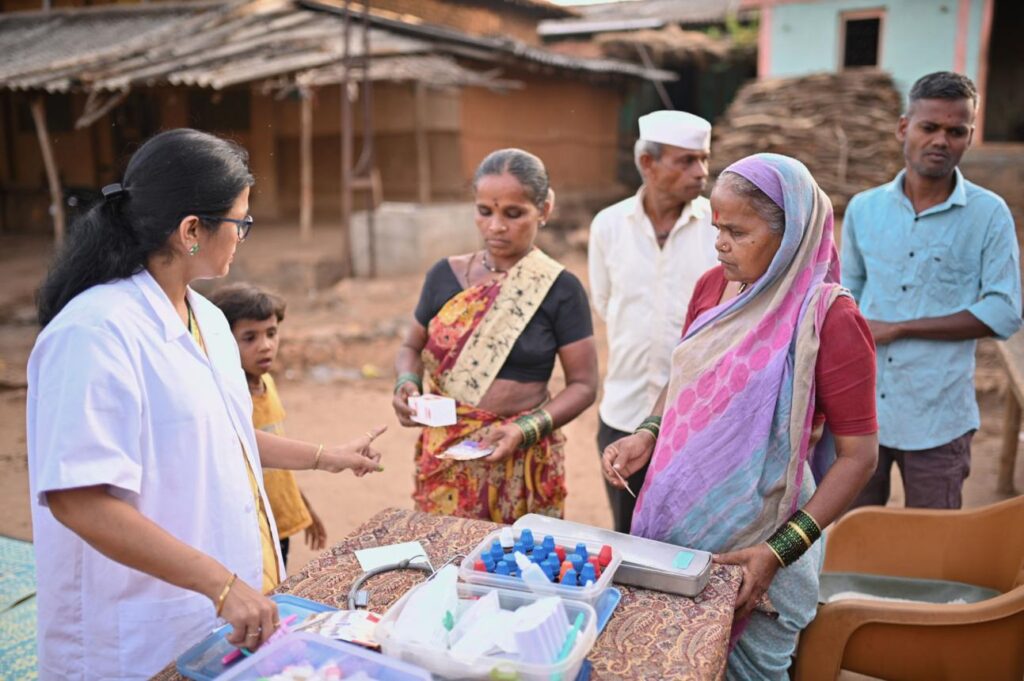
Physician as Health Educator
A physician serves society by educating people.
Why Health Education Matters
Many diseases are preventable if people understand:
- Hygiene
- Nutrition
- Exercise
- Substance abuse risks
- Mental health importance
Daily Educational Role
A physician educates during every consultation:
- Explaining medicines
- Advising dietary changes
- Correcting myths
- Encouraging follow-up
Community Awareness Activities
Physicians often participate in:
- Health camps
- School education programs
- Maternal health sessions
- Rural awareness campaigns
These activities improve community health literacy.
Combating Misinformation
Modern society faces medical misinformation through social media.
Physicians must correct false beliefs about:
- Vaccines
- Antibiotics
- Chronic disease treatment
- Alternative therapies
Public trust depends on physicians providing scientifically accurate guidance.
Physician as Ethical Professional
Medical ethics is central to social responsibility.
Ethical Principles
A physician follows four major principles:
- Autonomy
- Beneficence
- Non-maleficence
- Justice
Confidentiality
Patients trust physicians with private information.
Confidentiality protects:
- Human dignity
- Social reputation
- Mental well-being
Breaking confidentiality without justification damages public trust.
Informed Consent
A physician must explain:
- Diagnosis
- Treatment options
- Risks
- Alternatives
This respects patient rights.
Justice in Care
Physicians must treat patients fairly regardless of:
- Religion
- caste
- gender
- economic status
- education
Equal care is a social obligation.
Physician as Advocate for Social Justice in Health
Health inequalities exist in every society.
A physician must identify and help reduce disparities.
Vulnerable Populations
Special attention is needed for:
- Rural populations
- Elderly
- Children
- Women
- Economically poor
- Disabled persons
Access to Healthcare
Physicians advocate for:
- Affordable medicines
- Better hospital access
- Rural services
- Preventive care programs
Speaking for the Unheard
Many poor patients cannot express healthcare needs effectively.
Physicians often become their voice in the system.
This advocacy role strengthens social justice.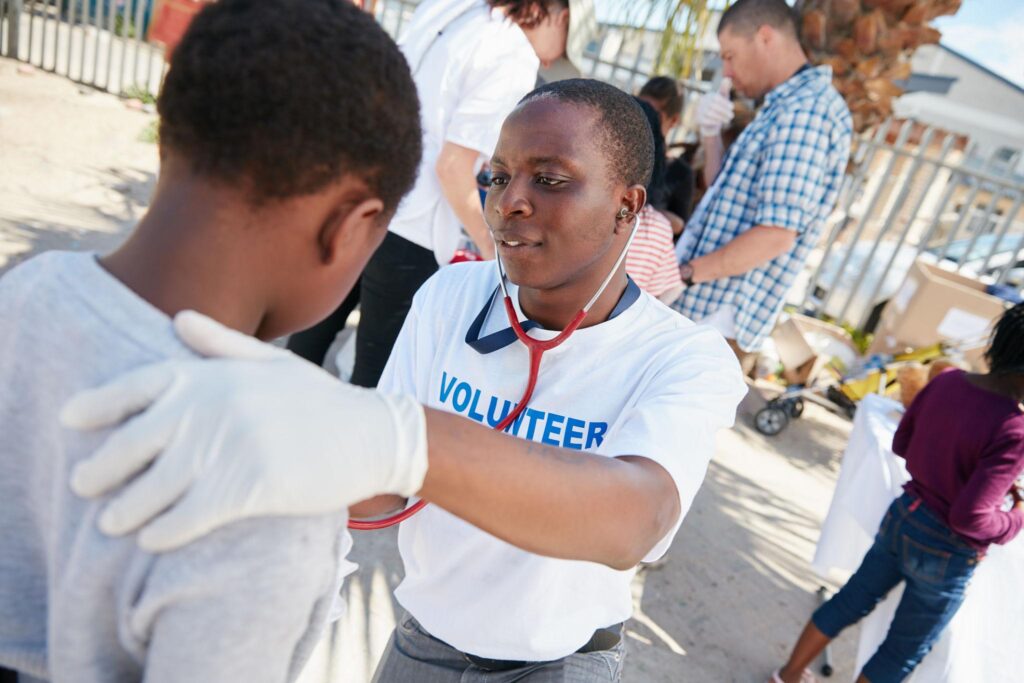
Physician’s Responsibility During Public Health Emergencies
Emergencies reveal the physician’s social importance.
During Epidemics
Physicians must:
- Continue service despite risk
- Follow scientific protocols
- Reduce panic
- Educate public
During COVID-19, physicians served under extreme pressure worldwide.
During Natural Disasters
Physicians help during:
- Floods
- Earthquakes
- Heat waves
- Droughts
Mass Casualty Management
They contribute to:
- Triage
- Emergency stabilization
- Public coordination
In crises, physicians often serve as community leaders.
Physician as Research Contributor for Society
Medicine advances because physicians participate in research.
Why Research is a Social Responsibility
Research improves:
- Diagnosis
- Treatment
- Prevention
- Public health policy
Responsible Research Conduct
Physicians must ensure:
- Ethical approval
- Patient safety
- Honest reporting
- No falsification
Translating Research into Society
A physician must apply updated evidence into practice.
This prevents outdated treatment.
For example:
Using modern evidence for diabetes care improves long-term social outcomes.
Physician as Leader in Community Health Systems
Physicians often guide healthcare teams.
Leadership Responsibilities
A physician coordinates:
- Nurses
- Technicians
- Pharmacists
- Community health workers
Institutional Leadership
Many physicians lead:
- Hospitals
- Medical colleges
- Public health units
Decision-Making Responsibility
Their decisions influence:
- Resource use
- Emergency protocols
- Service quality
Good physician leadership improves entire community healthcare delivery.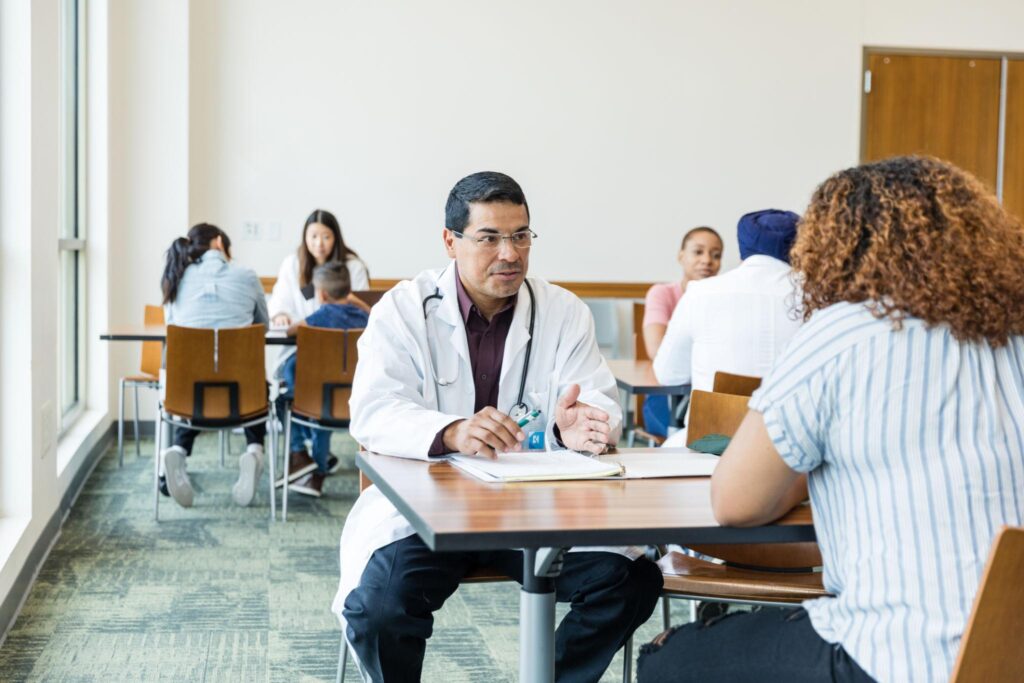
Physician’s Role in Rational Use of Healthcare Resources
Healthcare resources are limited.
Physicians must use them responsibly.
Rational Prescription
Avoid:
- Unnecessary antibiotics
- Excessive tests
- Expensive drugs without indication
Preventing Antibiotic Resistance
Overuse of antibiotics creates major social danger.
For example:
Misuse contributes to antimicrobial resistance.
Cost-Conscious Care
Physicians should consider affordability while maintaining quality.
This helps families avoid financial hardship.
Physician as Role Model in Society
Society observes physicians closely.
Their behavior influences public trust.
Personal Conduct Matters
A physician should demonstrate:
- Integrity
- Discipline
- Compassion
- Honesty
Professional Behavior Outside Clinic
Even outside hospitals, physicians represent medical values.
Influence on Youth
Students and younger professionals often imitate physician attitudes.
Thus physicians shape future healthcare culture.
Physician’s Role in Mental Health Awareness
Mental health has become a major community need.
Social Stigma Reduction
Physicians help normalize discussion about:
- Depression
- Anxiety
- Suicide prevention
Early Detection
Many mental disorders first appear in general clinical practice.
Community Support
A physician guides families on:
- counseling
- referral
- social support
Mental health promotion improves social stability.
Physician and Environmental Responsibility
Environmental health affects human health.
Physician Role in Environmental Awareness
Physicians should educate about:
- Pollution
- Safe water
- Waste disposal
- Climate impact on health
Climate-Related Health Risks
Increasing heat waves, respiratory diseases, and vector-borne illnesses require physician awareness.
Toward Medical Students and Future Society
Teaching future doctors is a social responsibility.
Knowledge Transfer
Senior physicians train juniors in:
- clinical reasoning
- ethics
- communication
Professional Values
They teach:
- empathy
- discipline
- service orientation
Good mentorship improves future healthcare quality.
Physician and Community Trust
Trust is medicine’s greatest social capital.
Why Trust Matters
Patients disclose sensitive details only when trust exists.
How Trust Is Built
By:
- listening carefully
- honesty
- confidentiality
- respectful communication
Consequences of Broken Trust
Loss of trust leads to:
- delayed treatment
- non-compliance
- social suspicion
Trust directly affects public health outcomes.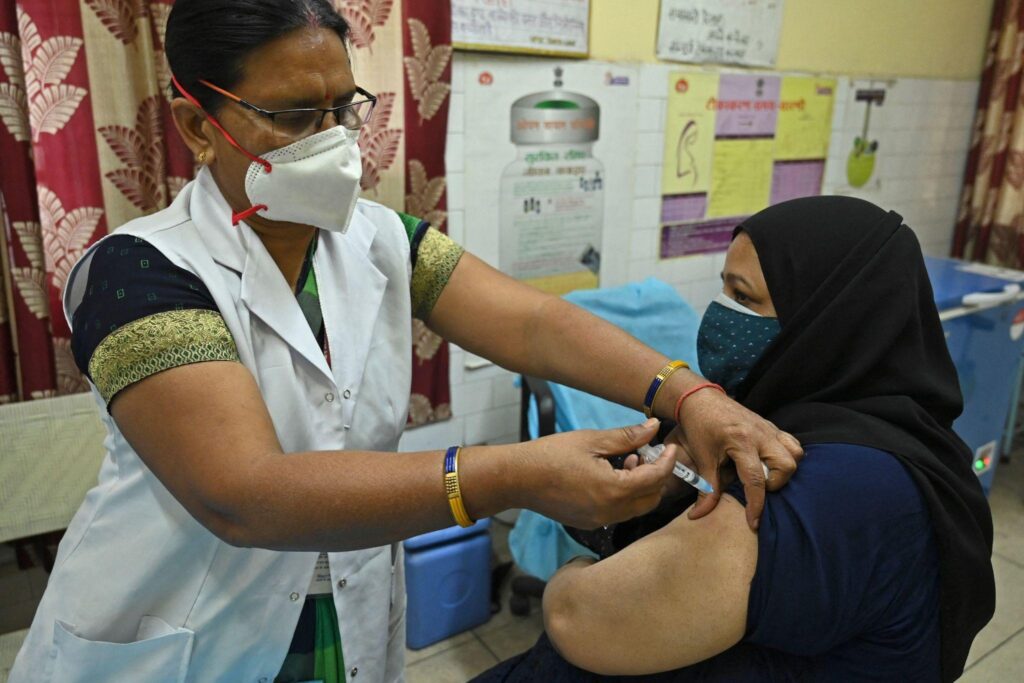
Challenges in Fulfilling Social Responsibilities
Modern physicians face many challenges.
Major Difficulties
- Heavy workload
- Burnout
- Administrative burden
- Violence against healthcare workers
- Resource shortages
Ethical Conflicts
Sometimes physicians face conflict between:
- ideal care
- limited resources
Digital Era Challenges
Now physicians must also manage:
- online misinformation
- telemedicine ethics
- data privacy
Despite these challenges, social responsibility remains essential.
Future of Physician’s Social Role
The physician of the future will be more socially integrated.
Emerging Roles
Future physicians must understand:
- digital health
- artificial intelligence
- health policy
- global epidemics
Social Accountability in Medical Education
Medical education increasingly emphasizes:
- communication
- ethics
- community exposure
This prepares doctors for broader societal service.