Introduction
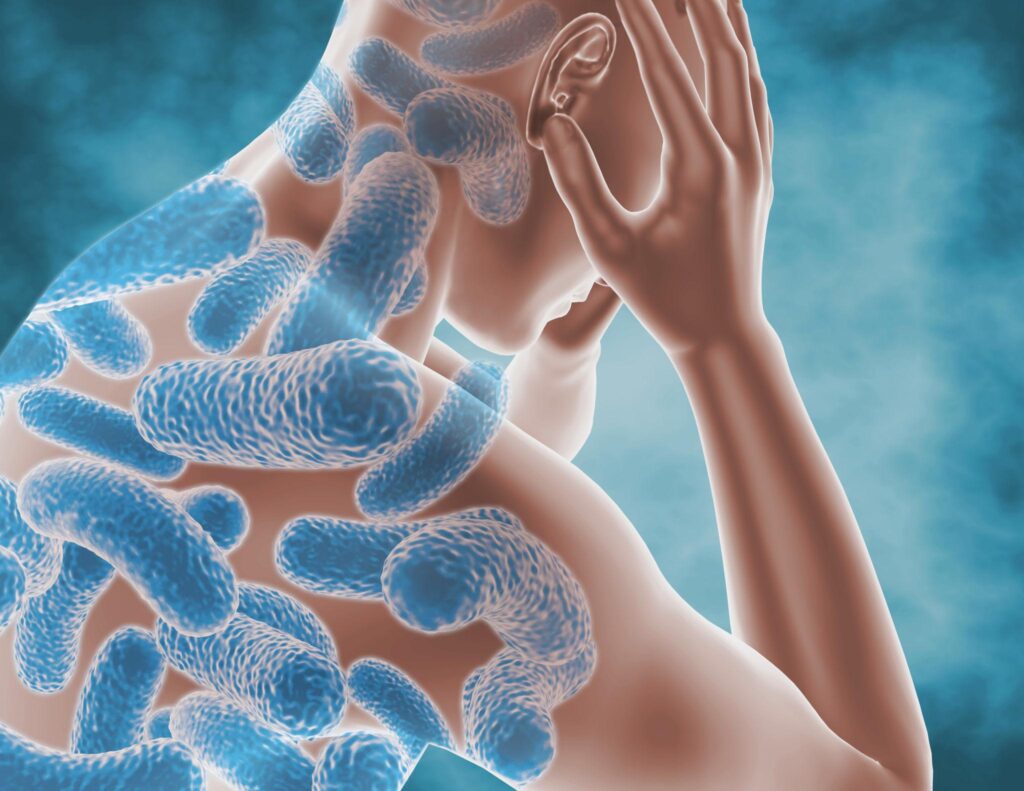
- The human body is constantly exposed to bacteria, viruses, fungi, and parasites present in the environment.
- Not all microorganisms cause disease; many are harmless, while some are beneficial.
- Harmful microorganisms, known as pathogens, can cause infections if they enter the body’s tissues.
- To prevent infection, the body possesses natural defense mechanisms called barriers to infection.
- These barriers form the first line of defense of the innate immune system.
- They protect the body by preventing the entry, growth, and spread of pathogens.
- Barriers to infection work continuously without conscious effort.
- They help maintain health and reduce the risk of infectious diseases.
- The body’s barriers are broadly classified into:
- Physical Barriers
- Chemical Barriers
- Biological Barriers
- Physical barriers block microbial entry, chemical barriers destroy or inhibit pathogens, and biological barriers prevent colonization by harmful microorganisms.
- Together, these barriers provide effective protection against infection and support the body’s immune defenses.
Types of Barriers to Infection
The body’s defense mechanisms can be broadly classified into three categories:
1. Physical (Mechanical) Barriers – These barriers physically block microorganisms from entering the body.
2. Chemical Barriers – These barriers involve substances that inhibit or kill microorganisms.
3. Biological Barriers – These barriers consist of beneficial microorganisms that prevent harmful microbes from growing.
Physical Barriers
- Physical barriers are the body’s first line of defense against infection.
- They provide a mechanical shield that prevents microorganisms from entering the body’s tissues and causing disease.
- These barriers not only block the entry of pathogens but also help trap, remove, and eliminate harmful microorganisms before they can establish an infection.
- The major physical barriers of the body include the skin, mucous membranes, respiratory tract defenses, and urinary tract defenses.
- Together, these structures form a continuous protective barrier between the body’s internal environment and the external world.
Functions of Physical Barriers
Physical barriers perform several important protective functions:
- Prevent entry of microorganisms into body tissues.
- Trap microbes and foreign particles.
- Facilitate removal of pathogens from body surfaces.
- Protect underlying tissues from environmental damage.
- Reduce the risk of infection and disease transmission.
- Work continuously without requiring activation of the immune system.
Major Physical Barriers of the Human Body
| Physical Barrier | Main Function |
|---|---|
| Skin | Prevents entry of microorganisms |
| Mucous Membranes | Trap and remove microbes |
| Respiratory Tract | Filters and expels inhaled particles |
| Urinary Tract | Flushes microorganisms through urine flow |
Skin: The Primary Physical Barrier
- The skin is the largest organ of the human body and serves as the most important physical barrier against infection.
- It covers the entire external surface of the body and provides continuous protection against environmental microorganisms.
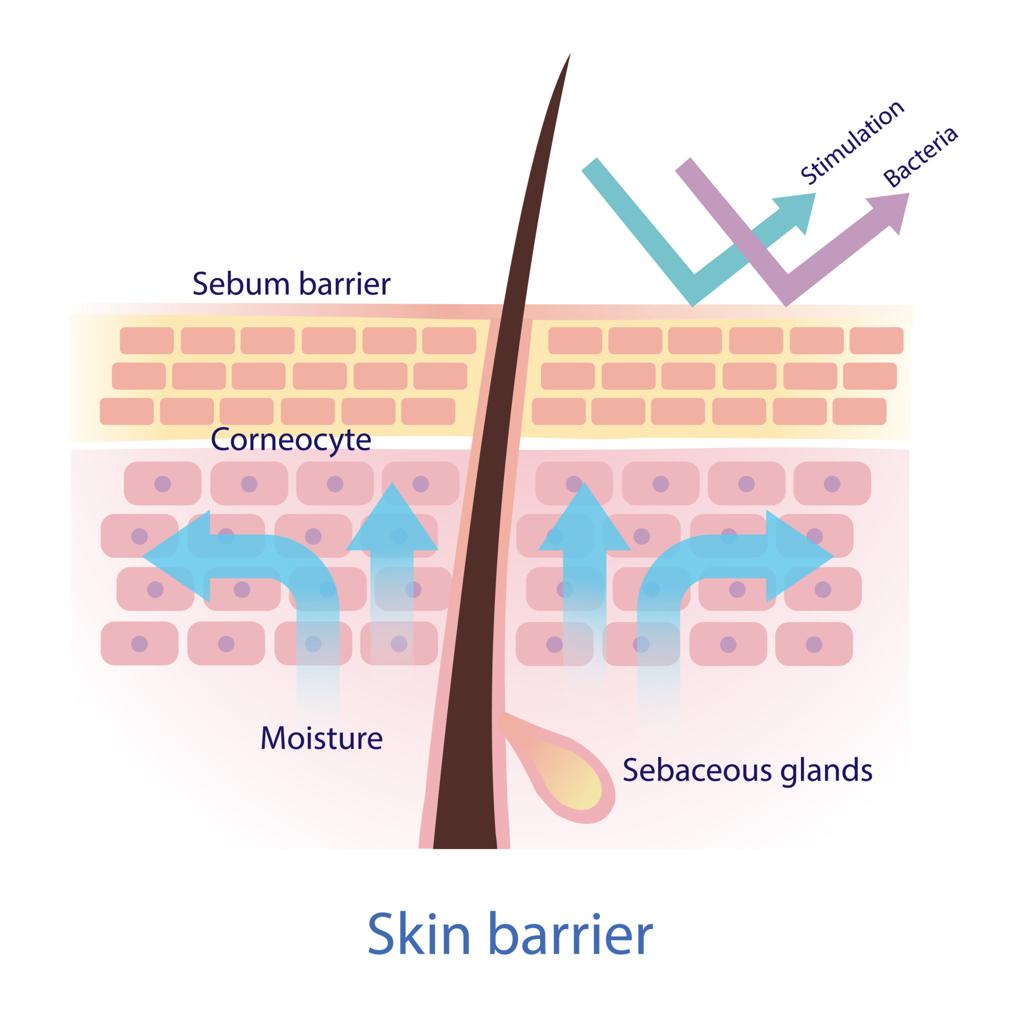
- The outermost layer of the skin, known as the epidermis, consists of tightly packed keratinized cells.
- These cells form a tough and waterproof protective covering that is difficult for microorganisms to penetrate.
Structure of the Skin Barrier
The protective properties of the skin are mainly due to:
- Multiple layers of epithelial cells.
- Presence of keratin in the outer layer.
- Dry external surface.
- Continuous renewal of skin cells.
- Tight junctions between cells.
Protective Mechanisms of the Skin
A. Keratinized Layer
- The outer layer contains dead keratinized cells.
- Forms a strong mechanical barrier.
- Prevents penetration of most microorganisms.
B. Continuous Shedding of Cells
- Dead skin cells are continuously shed.
- Microorganisms attached to these cells are removed.
- Reduces microbial colonization on the skin surface.
C. Dry Surface
- Most microorganisms require moisture for growth.
- The dry skin surface inhibits microbial multiplication.
D. Waterproof Barrier
- Prevents loss of body fluids.
- Limits microbial penetration into deeper tissues.
Clinical Importance
Damage to the skin through:
- Burns
- Cuts
- Wounds
- Surgical incisions
can significantly increase susceptibility to infection because the protective barrier is disrupted.
Mucous Membranes
- Mucous membranes line body cavities that communicate with the external environment.
- They are present in the respiratory, gastrointestinal, and genitourinary tracts.
- Unlike the skin, these surfaces must remain moist to perform their normal physiological functions.
- Therefore, they rely heavily on mucus production for protection.
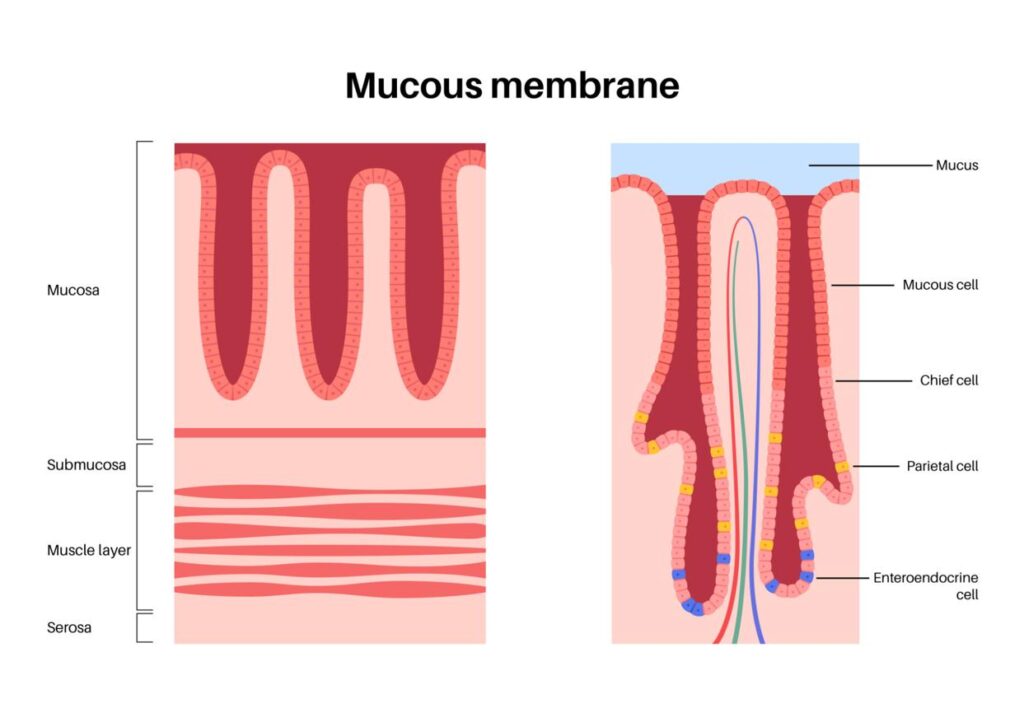
Structure of Mucous Membranes
Mucous membranes contain specialized cells called goblet cells, which secrete mucus.
Functions of Mucus
A. Trapping Microorganisms
- Mucus acts as a sticky barrier.
- Traps bacteria, viruses, fungi, and dust particles.
- Prevents pathogens from reaching deeper tissues.
B. Protection of Epithelial Cells
- Shields underlying cells from mechanical injury.
- Protects tissues from digestive enzymes and chemicals.
C. Facilitation of Pathogen Removal
- Trapped microorganisms are expelled through coughing, sneezing, swallowing, or excretion.
D. Lubrication
- Maintains moisture on epithelial surfaces.
- Facilitates movement of food and other materials through body passages.
Importance in Different Systems
| System | Protective Role of Mucus |
| Respiratory Tract | Traps inhaled microbes and particles |
| Gastrointestinal Tract | Protects against digestive enzymes |
| Genitourinary Tract | Prevents microbial attachment |
Respiratory Tract Defenses
The respiratory tract is constantly exposed to airborne microorganisms and environmental particles. To prevent infection, it possesses several specialized physical defense mechanisms.
A. Nasal Hairs
The nostrils contain coarse hairs that serve as the first filtration system.
Functions
- Filter large particles.
- Trap dust and pollen.
- Prevent entry of larger microorganisms.
- Reduce contamination of lower respiratory passages.
B. Mucociliary Escalator
- One of the most important defense mechanisms of the respiratory system is the mucociliary escalator.
What Are Cilia?
- Cilia are microscopic hair-like projections present on the surface of respiratory epithelial cells.
How It Works
- Mucus traps inhaled microorganisms.
- Cilia beat rhythmically.
- Trapped particles are moved upward toward the throat.
- Material is swallowed or expelled by coughing.
Advantages
- Continuously cleans respiratory passages.
- Prevents accumulation of pathogens.
- Reduces risk of lung infections.
C. Coughing and Sneezing Reflexes
Coughing
- Removes mucus and irritants from airways.
- Helps expel trapped microorganisms.
Sneezing
- Forcefully expels particles from the nasal cavity.
- Prevents microorganisms from reaching deeper airways.
D. Clinical Significance
Smoking
- Smoking damages respiratory cilia and reduces mucociliary clearance.
Consequences include:
- Accumulation of mucus.
- Increased bacterial growth.
- Higher risk of respiratory infections.
Cystic Fibrosis
In cystic fibrosis:
- Mucus becomes thick and sticky.
- Ciliary movement is impaired.
- Recurrent respiratory infections occur frequently.
Urinary Tract Defenses
The urinary tract possesses an effective mechanical defense system based on the continuous flow of urine.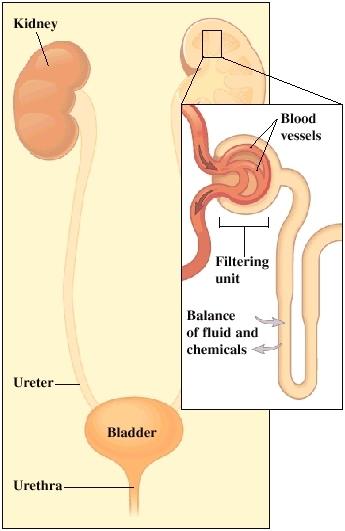
Mechanism of Protection
Urine is normally sterile and continuously flows from the kidneys to the exterior.
This outward movement:
- Flushes microorganisms from the urinary tract.
- Prevents bacterial colonization.
- Reduces ascending infections.
Protective Role of Urination
Regular urination:
- Removes microorganisms before they multiply.
- Prevents migration of bacteria toward the bladder.
- Maintains urinary tract sterility.
Clinical Importance
Catheterization
Insertion of urinary catheters can bypass natural defenses.
Potential complications include:
- Increased bacterial entry.
- Biofilm formation.
- Catheter-associated urinary tract infections (CAUTI).
Hospital-acquired urinary tract infections are commonly associated with prolonged catheter use.
Chemical Barriers
- Chemical barriers are the second line of protection against infection and work alongside physical barriers to prevent the growth and survival of harmful microorganisms.
- These barriers consist of various chemicals, enzymes, antimicrobial peptides, and acidic secretions produced naturally by the body.
- Unlike physical barriers that block microbial entry, chemical barriers actively inhibit, damage, or destroy microorganisms that come into contact with body surfaces.
- They create an unfavorable environment for pathogens and help maintain the body’s natural defense system.
Functions of Chemical Barriers
Chemical barriers perform several important protective functions:
- Inhibit the growth of microorganisms.
- Destroy invading pathogens.
- Prevent microbial colonization of body surfaces.
- Maintain protective acidic environments.
- Support the activity of immune cells.
- Reduce the risk of infection.
Major Chemical Barriers of the Human Body
| Chemical Barrier | Main Function |
|---|---|
| Acidic pH of Skin | Inhibits microbial growth |
| Gastric Acid | Destroys ingested pathogens |
| Vaginal Acidity | Prevents colonization by harmful microbes |
| Defensins | Destroy microbial cell membranes |
| Cathelicidins | Broad-spectrum antimicrobial action |
| Lysozyme | Breaks down bacterial cell walls |
| RNases and DNases | Destroy microbial nucleic acids |
| Digestive Enzymes | Kill and degrade microorganisms |
Acidic pH as a Chemical Barrier
- Many disease-causing microorganisms grow best in neutral conditions.
- Therefore, certain body sites maintain an acidic environment that inhibits microbial growth and survival.
A. Acidic pH of the Skin
The skin surface is naturally acidic, with an average pH of approximately 5.5. This acidic environment is often referred to as the acid mantle.
Sources of Skin Acidity
- Sebaceous gland secretions (sebum)
- Sweat gland secretions
- Fatty acids produced on the skin surface
Protective Functions
- Inhibits growth of many bacteria and fungi.
- Prevents colonization by pathogens.
- Supports normal skin flora.
- Maintains skin health and integrity.
Clinical Importance
Loss of the normal acidic pH can increase susceptibility to skin infections and microbial colonization.
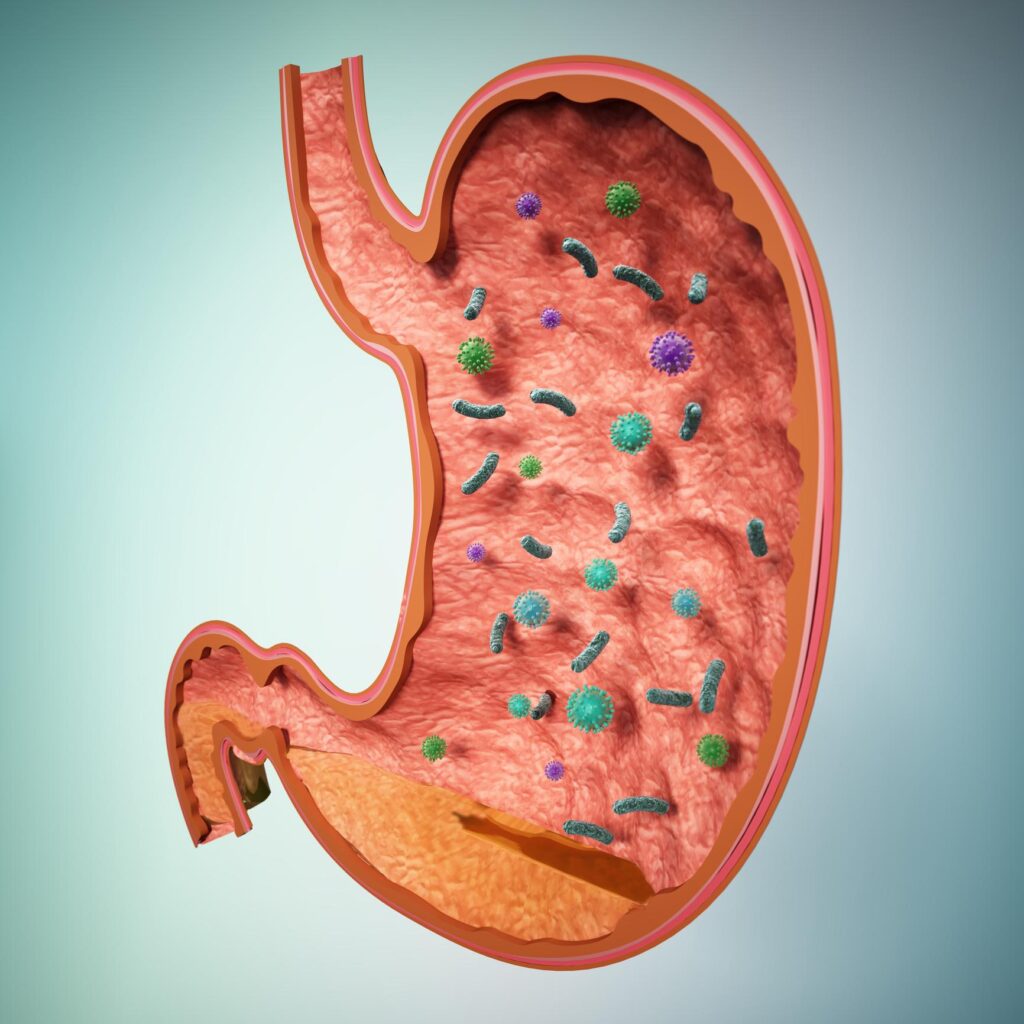
B. Gastric Acid Barrier
The stomach contains hydrochloric acid (HCl), making it one of the most acidic environments in the human body.
Normal Gastric pH
- Approximately 1.0 to 3.0
Protective Functions
- Kills most microorganisms present in food and water.
- Prevents colonization of the gastrointestinal tract by pathogens.
- Acts as a major defense against food-borne infections.
Clinical Importance
Reduced stomach acidity can increase the risk of gastrointestinal infections because more microorganisms survive passage through the stomach.
C. Vaginal Acidity
The female reproductive tract possesses a naturally acidic environment that protects against infection.
Normal Vaginal pH
- Approximately 4.4 to 4.6
Source of Acidity
- Lactic acid produced by Lactobacillus species.
Protective Functions
- Inhibits growth of harmful microorganisms.
- Maintains healthy vaginal flora.
- Reduces risk of genital infections.
Clinical Importance
Alteration of vaginal pH may lead to bacterial or fungal infections.
Antimicrobial Peptides
- Antimicrobial peptides are naturally occurring molecules produced by epithelial cells and immune cells.
- They directly attack microorganisms and form an important component of innate immunity.
A. Defensins
Defensins are small antimicrobial peptides found on the skin, respiratory tract, and gastrointestinal tract.
Types
- Alpha-defensins (α-defensins)
- Beta-defensins (β-defensins)
Mechanism of Action
- Damage microbial cell membranes.
- Create pores in microbial cells.
- Cause leakage of cellular contents.
- Lead to microbial death.
Additional Functions
- Attract immune cells to sites of infection.
- Enhance phagocytosis.
- Strengthen innate immune responses.
Sites of Production
- Skin
- Respiratory tract
- Intestinal epithelium
B. Cathelicidins
Cathelicidins are broad-spectrum antimicrobial peptides produced by epithelial cells and immune cells.
Functions
- Destroy bacterial membranes.
- Inhibit fungal growth.
- Provide protection against certain viruses.
- Promote wound healing.
Importance
Cathelicidins serve as a rapid defense mechanism before the adaptive immune system becomes activated.
Antimicrobial Enzymes
The body produces several enzymes that directly attack microorganisms and contribute to chemical defense.
A. Lysozyme
Lysozyme is one of the most important antimicrobial enzymes found in body secretions.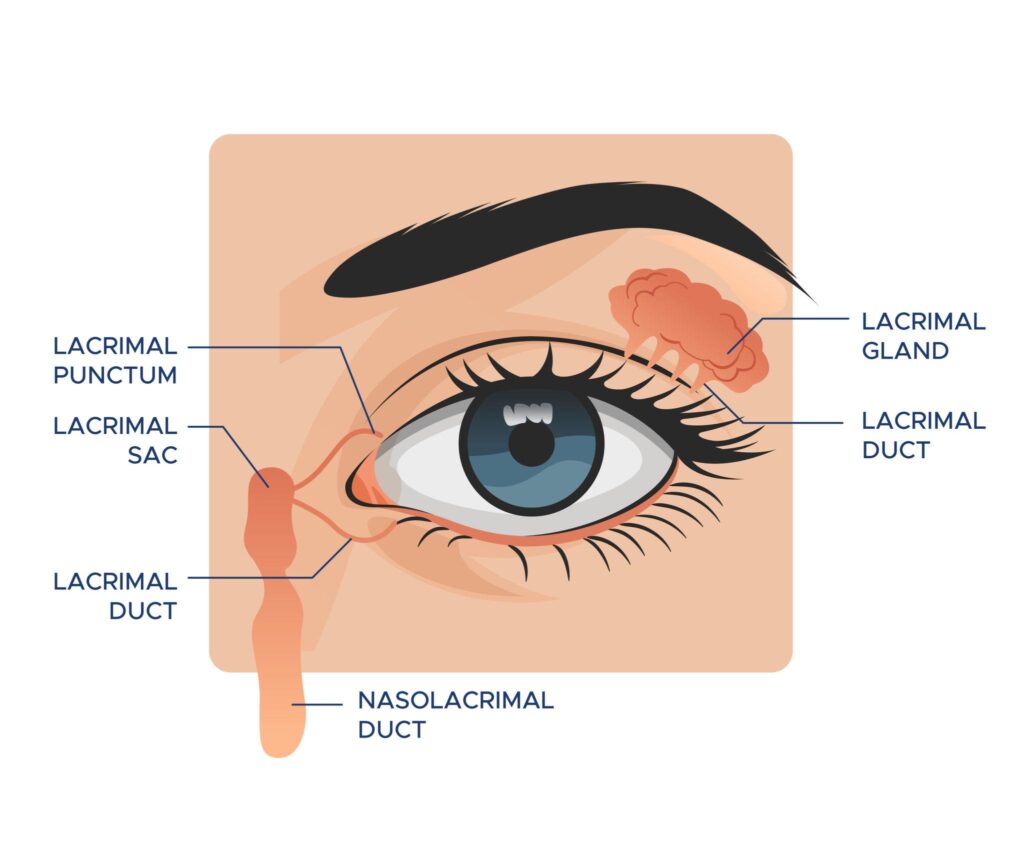
Locations
- Tears
- Saliva
- Sweat
- Mucus
- Lacrimal secretions
Mechanism of Action
Lysozyme breaks down peptidoglycan, an important component of bacterial cell walls.
Protective Functions
- Destroys bacteria.
- Prevents bacterial colonization.
- Protects mucosal surfaces from infection.
Clinical Importance
Lysozyme provides continuous protection to the eyes, mouth, skin, and respiratory tract.
B. RNases and DNases
These enzymes degrade nucleic acids present within microorganisms.
RNases
- Destroy microbial RNA.
- Interfere with microbial replication.
DNases
- Destroy microbial DNA.
- Prevent multiplication of pathogens.
Protective Functions
- Limit microbial survival.
- Reduce the ability of pathogens to establish infection.
These enzymes are particularly abundant on skin surfaces and mucosal tissues.
Digestive Enzymes as Chemical Defenses
The gastrointestinal tract secretes numerous digestive enzymes that not only aid digestion but also destroy microorganisms entering through food and water.
Sources
- Salivary glands
- Stomach
- Small intestine
Examples
- Lysozyme
- Proteolytic enzymes
- Other digestive enzymes
Protective Functions
- Break down microbial structures.
- Kill ingested pathogens.
- Prevent intestinal colonization by harmful microorganisms.
Additional Benefit
The continuous movement of food and digestive secretions further reduces microbial survival within the digestive tract.
Lacrimal Secretions (Tears)
- The eyes are constantly exposed to environmental microorganisms and require continuous protection.
Lacrimal Glands
Lacrimal glands produce tears that wash the eye surface.
Protective Components
- Lysozyme
- Water
- Protective proteins
Functions
- Flush microorganisms from the eye.
- Prevent bacterial colonization.
- Maintain cleanliness of the ocular surface.
- Protect against eye infections.
Clinical Importance
Reduced tear production increases susceptibility to ocular infections and irritation.
Biological Barriers
- Biological barriers consist of the beneficial microorganisms that naturally live on and inside the human body.
- These microorganisms are known as commensal microbes, normal flora, or microbiota.
- They exist in a symbiotic relationship with the host and play an essential role in protecting the body from infection.
- For many years, microorganisms were viewed only as disease-causing agents.
- However, modern research has shown that a large number of microbes are actually beneficial and contribute significantly to human health.
- These organisms form a natural biological barrier that prevents harmful pathogens from becoming established within the body.
Distribution of Normal Flora in the Human Body
Different parts of the body are colonized by different microbial populations.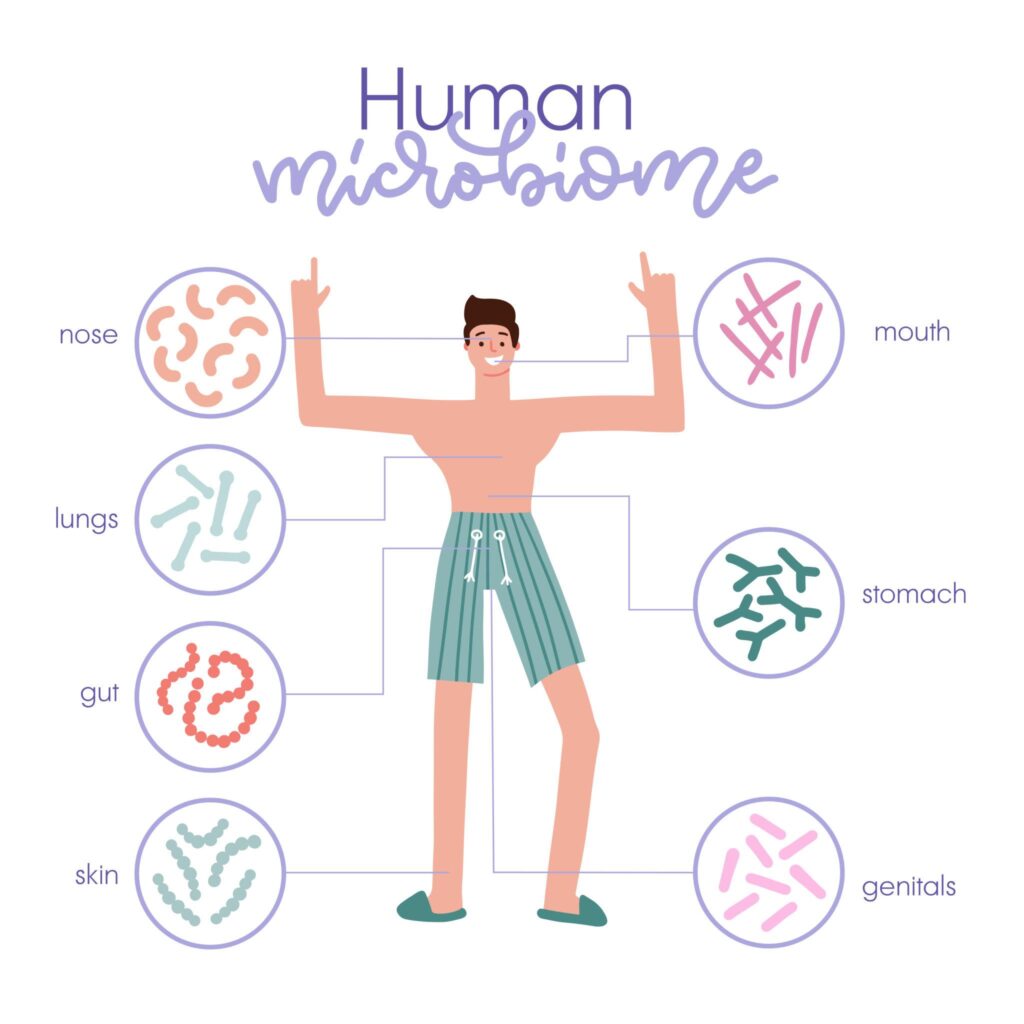
Common Sites of Normal Flora
| Body Site | Common Microorganisms |
|---|---|
| Skin | Staphylococcus spp., Propionibacterium spp. |
| Mouth | Streptococcus spp., Lactobacillus spp. |
| Nose and Pharynx | Staphylococcus spp., Neisseria spp. |
| Intestine | Escherichia coli, Bacteroides spp., Lactobacillus spp. |
| Vagina | Lactobacillus spp. |
| Upper Respiratory Tract | Streptococcus spp., Corynebacterium spp. |
Functions of Biological Barriers
The normal flora protect the body through several important mechanisms.
A. Prevention of Pathogen Colonization
- One of the most important functions of normal flora is preventing the establishment of harmful microorganisms.
Mechanism
- Occupy attachment sites on body surfaces.
- Prevent pathogens from finding space to attach.
- Create competition for available resources.
Importance
- Without this protection, disease-causing microbes could easily colonize body tissues and initiate infection.
B. Competition for Nutrients
Microorganisms require nutrients to grow and multiply.
- Normal flora consume available nutrients and thereby reduce the resources available to invading pathogens.
Benefits
- Limits growth of harmful bacteria.
- Prevents rapid multiplication of pathogens.
- Maintains microbial balance.
C. Production of Antimicrobial Substances
Many commensal microorganisms produce substances that inhibit the growth of other microbes.
Examples
- Organic acids
- Fatty acids
- Hydrogen peroxide
- Bacteriocins
Functions
- Suppress pathogen growth.
- Prevent colonization by harmful organisms.
- Maintain healthy microbial communities.
Example
- Certain skin bacteria produce fatty acids that inhibit the growth of pathogenic microorganisms.
D. Maintenance of Protective pH
Some normal flora help maintain acidic conditions that inhibit pathogen growth.
Vaginal Flora
- Lactobacillus species metabolize glycogen and produce lactic acid.
Benefits
- Maintains vaginal pH between 4.4 and 4.6.
- Prevents overgrowth of harmful bacteria and fungi.
- Protects against genital infections.
E. Assistance in Digestion
- The intestinal microbiota play a major role in digestion and nutrient metabolism.
Functions
- Help break down complex carbohydrates.
- Assist in nutrient absorption.
- Support gastrointestinal health.
- Contribute to metabolic activities.
Importance
- Normal intestinal flora are essential for maintaining a healthy digestive system.
F. Immune System Development and Regulation
Normal flora interact continuously with the immune system.
Functions
- Stimulate immune system development.
- Help the body distinguish harmful from harmless microorganisms.
- Promote immune tolerance.
- Enhance host defense mechanisms.
Importance
- A healthy microbiota contributes to proper immune function throughout life.
Normal Flora in Different Body Sites
1. Skin Flora
The skin supports a large number of microorganisms despite being relatively dry.
Common Organisms
- Staphylococcus epidermidis
- Propionibacterium species
- Corynebacterium species
Functions
- Prevent colonization by pathogens.
- Produce antimicrobial substances.
- Help maintain skin health.
2. Oral Flora
The mouth contains one of the most diverse microbial populations in the body.
Common Organisms
- Streptococcus species
- Lactobacillus species
- Actinomyces species
Functions
- Occupy oral surfaces.
- Prevent pathogen attachment.
- Maintain oral microbial balance.
3. Intestinal Flora
The gastrointestinal tract contains the largest population of microorganisms in the body.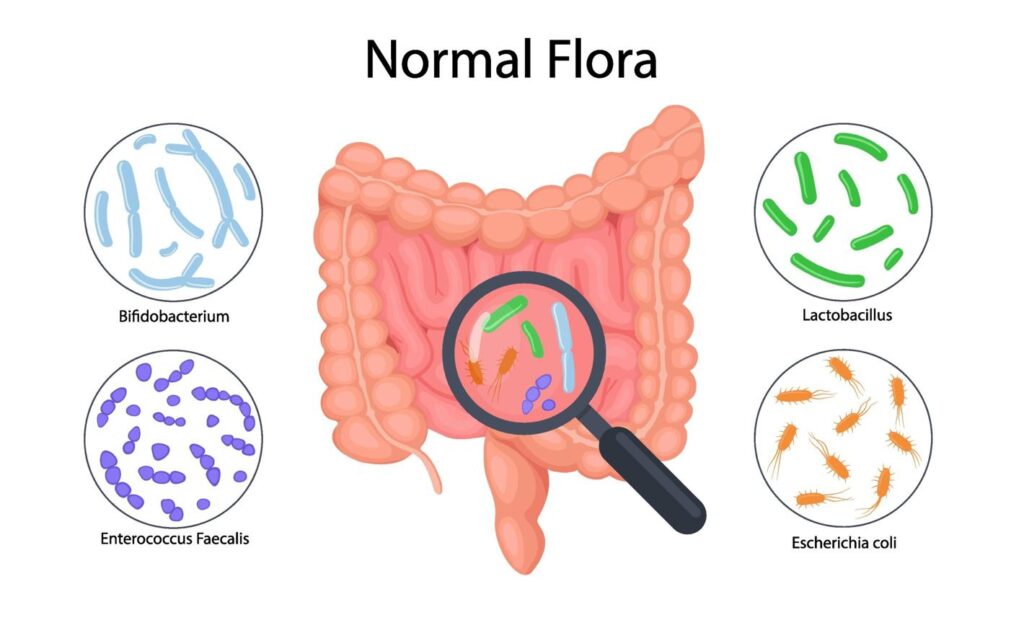
Common Organisms
- Escherichia coli
- Bacteroides species
- Lactobacillus species
- Bifidobacterium species
Functions
- Aid digestion.
- Produce beneficial metabolites.
- Prevent pathogen overgrowth.
- Support immune function.
4. Vaginal Flora
The vaginal microbiota are dominated by Lactobacillus species.
Functions
- Produce lactic acid.
- Maintain acidic vaginal pH.
- Inhibit growth of pathogens.
- Protect against infections.
Factors That Disrupt Biological Barriers
The balance of normal flora can be disturbed by various factors.
Common Causes
- Broad-spectrum antibiotic therapy
- Immunosuppression
- Chemotherapy
- Poor hygiene
- Chronic diseases
- Hospitalization
- Invasive medical procedures
Disruption of normal flora can create opportunities for harmful microorganisms to grow and cause disease.
Clinical Significance of Biological Barriers
Biological barriers are extremely important in preventing infections. When normal flora are disrupted, opportunistic pathogens may multiply rapidly.
Pseudomembranous Colitis
One of the best examples of disruption of biological barriers is pseudomembranous colitis.
Cause
- Use of broad-spectrum antibiotics.
- Destruction of normal intestinal flora.
- Overgrowth of Clostridium difficile.
Symptoms
- Severe diarrhea
- Abdominal cramps
- Fever
- Intestinal inflammation
Significance
This condition demonstrates the important protective role of normal flora in maintaining gastrointestinal health.
Opportunistic Infections
Normally harmless commensal organisms may cause disease when:
- The immune system is weakened.
- They enter sterile body sites.
- Natural barriers are disrupted.
Examples include infections associated with:
- Catheters
- Surgical procedures
- Immunocompromised patients