Introduction
- Physicians are one of the most important pillars of the health care system and play a key role in patient care.
- Their duties include diagnosis, treatment, disease prevention, and promotion of community health.
- Modern physicians must possess clinical knowledge, communication skills, ethical values, professionalism, and empathy.
- Medical education emphasizes the development of compassionate, ethical, and patient-centered doctors.
- Physicians should respect the dignity, beliefs, rights, and emotions of every patient during treatment.
- They work as healers, communicators, leaders, educators, researchers, and advocates for society.
- Good communication and ethical practice help in building trust and improving doctor-patient relationships.
- An ideal physician combines scientific knowledge with compassion, responsibility, and social commitment.

Physician?
A physician is a qualified medical professional who is trained to diagnose diseases, prevent illness, provide treatment, promote health, and rehabilitate patients. Physicians may work in hospitals, clinics, research institutions, educational settings, community health centers, or public health organizations.
The physician’s responsibility is not limited to curing disease. A good physician also understands the emotional, social, psychological, cultural, and ethical dimensions of illness.
Role of Physician in the Health Care System
Physician as a Care Provider
The primary role of a physician is to provide medical care to patients. This includes:
- Taking detailed medical history
- Performing physical examination
- Diagnosing diseases
- Planning investigations
- Prescribing treatment
- Monitoring progress
- Providing rehabilitation and follow-up care

A physician must ensure that patient care is evidence-based, safe, effective, and compassionate. The physician should treat every patient with respect regardless of age, gender, religion, socioeconomic status, or educational background.
Communicator
Communication is one of the most essential qualities of a successful physician. Effective communication helps in building trust between doctor and patient. Poor communication may lead to misunderstanding, patient dissatisfaction, non-compliance, and even medico-legal issues.
A physician communicates with:
- Patients
- Relatives
- Nurses
- Colleagues
- Health care workers
- Public health authorities
Good communication includes:
- Active listening
- Empathy
- Respectful behavior
- Clear explanation
- Proper counseling
- Maintaining confidentiality
Ethical Professional
Ethics is a fundamental part of medical practice. A physician must always follow ethical principles while treating patients.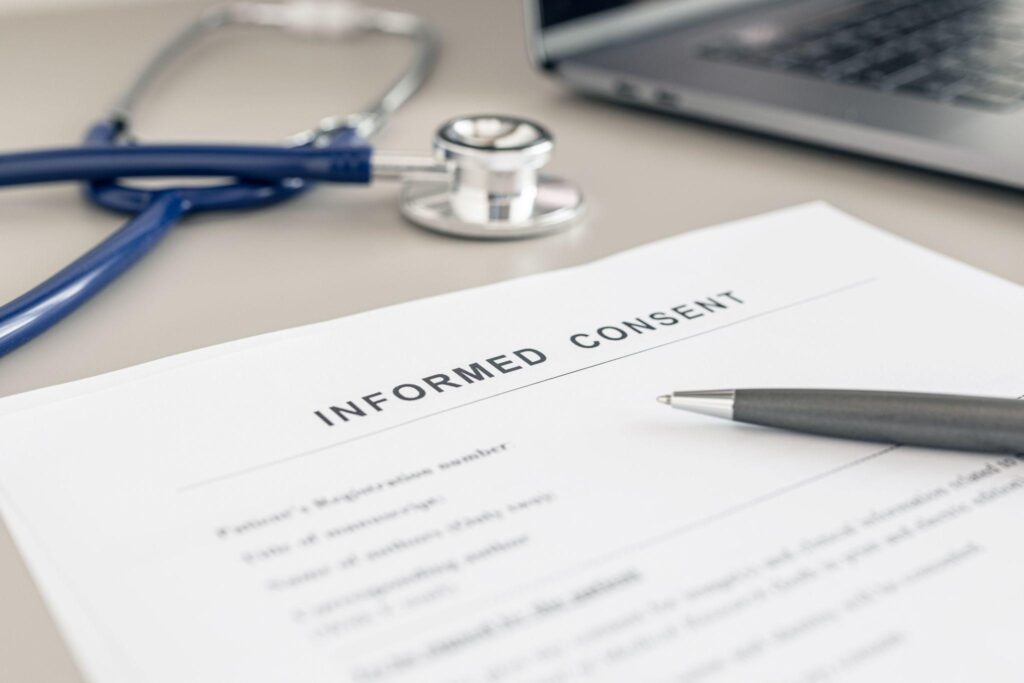
The four basic principles of medical ethics are:
- Autonomy – Respecting the patient’s right to make decisions
- Beneficence – Acting in the best interest of the patient
- Non-maleficence – Avoiding harm to the patient
- Justice – Providing fair and equal treatment
A physician must maintain:
- Honesty
- Integrity
- Confidentiality
- Professional behavior
- Respect for patient rights
Ethical dilemmas are common in medical practice. Examples include:
- End-of-life decisions
- Organ transplantation
- Consent issues
- Medical negligence
- Confidentiality breaches
Leader
A physician leader should possess:
- Decision-making ability
- Team coordination skills
- Responsibility
- Professionalism
- Crisis management skills
In hospitals, physicians often work with multidisciplinary teams including nurses, physiotherapists, pharmacists, laboratory technicians, and social workers. Effective leadership improves patient care and hospital functioning.
During emergencies such as pandemics, natural disasters, or outbreaks, physicians provide leadership in disease management, public awareness, and health system coordination.
Teacher and Educator
Physicians are lifelong learners and educators. They educate:
- Patients
- Families
- Medical students
- Junior doctors
- Community members
Patient education is extremely important in disease prevention and management. A physician should explain preventive measures, medication adherence, vaccination, hygiene, nutrition, and healthy lifestyle practices.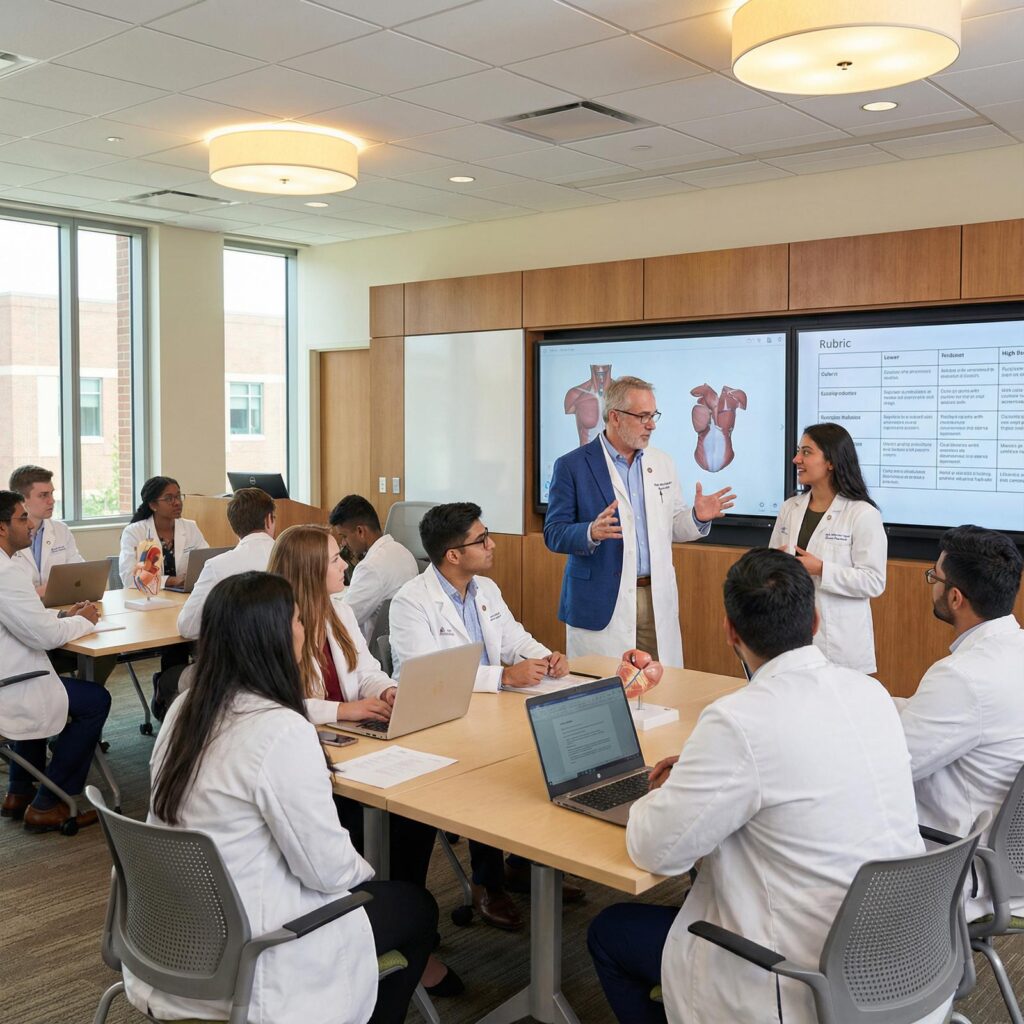
Continuous Medical Education (CME) is important because medical knowledge changes rapidly. A physician must continuously update knowledge and skills to provide the best care.
Health Advocate
Physicians advocate for:
- Vaccination programs
- Maternal and child health
- Mental health awareness
- Environmental health
- Disease prevention
- Health equity
- Public sanitation
- Nutrition programs
Researcher
Medical research helps in:
- Understanding disease mechanisms
- Discovering new drugs
- Improving diagnostic methods
- Developing vaccines
- Enhancing patient care
A physician involved in research must follow ethical principles such as:
- Informed consent
- Patient safety
- Confidentiality
- Scientific honesty
Research misconduct such as plagiarism, data fabrication, or unethical experimentation is unacceptable.
Evidence-based medicine relies on scientific research to guide clinical decisions.
Public Health Professional
Physicians contribute significantly to public health activities. Public health focuses on prevention of disease and promotion of health at the community level.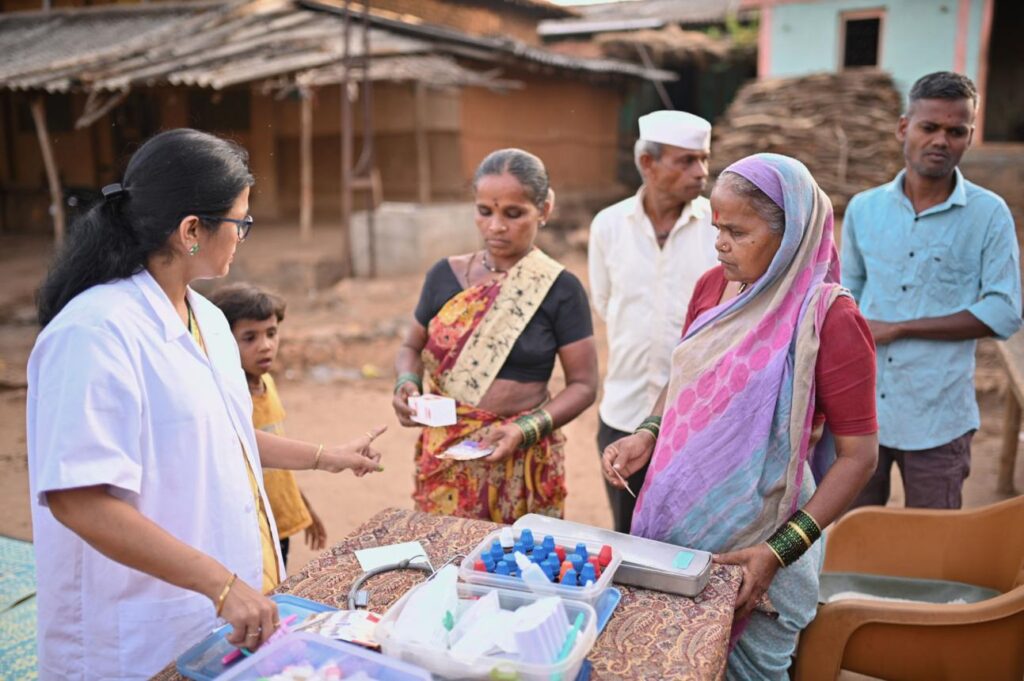
Public health responsibilities of physicians include:
- Disease surveillance
- Vaccination programs
- Health education
- Screening programs
- Outbreak management
- Family planning services
- Nutritional assessment
Counselor
Counseling is important in:
- Chronic diseases
- Cancer
- HIV/AIDS
- Psychiatric disorders
- Infertility
- Substance abuse
- End-of-life care
Physician and Professionalism
Professionalism refers to the conduct, attitude, and values expected from a physician.
Characteristics of professional behavior include:
- Respect
- Compassion
- Responsibility
- Accountability
- Punctuality
- Discipline
- Ethical practice
- Lifelong learning
Physician and Empathy
Empathy means understanding the feelings and emotions of patients and responding compassionately.
Empathetic physicians:
- Listen carefully
- Show concern
- Provide emotional support
- Build trust
- Improve patient satisfaction
Challenges Faced by Physicians
Modern physicians face many challenges, including:
1. Heavy Workload: Long working hours and excessive patient load may lead to stress and burnout.
2. Communication Barriers: Language differences, low literacy, and cultural factors can affect communication.
3. Ethical Dilemmas: Complex situations may create conflicts between medical decisions and ethical principles.
4. Violence Against Doctors: Incidents of violence and mistrust affect physician morale and safety.
5. Technological Changes: Rapid advances in medical technology require continuous learning.
6. Emotional Stress: Managing critically ill patients and death can affect mental health.
Physicians must develop resilience, emotional balance, and professionalism to overcome these challenges.
Doctor-Patient Relationship
The doctor-patient relationship is based on trust, respect, honesty, and confidentiality.
A healthy doctor-patient relationship leads to:
- Better treatment compliance
- Improved patient satisfaction
- Reduced conflicts
- Better health outcomes
Physicians should avoid rude behavior, discrimination, and negligence.
Maintaining confidentiality is very important. Patient information should not be disclosed without permission except in legally required situations.
Role of Physician in Rural Health Care
In developing countries like India, rural health care is extremely important. Physicians working in rural areas often face limited resources, lack of infrastructure, and shortage of staff.
Rural physicians perform multiple responsibilities such as:
- Treating common illnesses
- Managing emergencies
- Providing maternal care
- Conducting immunization programs
- Promoting sanitation and hygiene
They serve as a vital link between the health care system and rural communities.
Future of Physicians in Modern Medicine
The future of medicine is changing rapidly with advancements in:
- Artificial intelligence
- Telemedicine
- Robotics
- Precision medicine
- Digital health records