Introduction
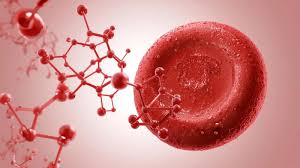
- Lipids are one of the major biomolecules present in the human body.
- They include fats, oils, waxes, phospholipids, cholesterol, and other fat-like substances.
- Unlike carbohydrates and proteins, lipids are insoluble in water but soluble in organic solvents such as ether, chloroform, and benzene.
- Lipids serve as the body’s most concentrated source of energy, providing approximately 9 kcal per gram.
- They are essential components of cell membranes and help maintain the structure and function of cells.
- Lipids play a vital role in the absorption and transport of fat-soluble vitamins (A, D, E, and K).
- Cholesterol, an important lipid, acts as a precursor for steroid hormones, bile acids, and vitamin D.
- Certain lipids function as signaling molecules and are involved in inflammation, immunity, and cellular communication.
- Excessive accumulation or abnormal metabolism of lipids can lead to disorders such as obesity, fatty liver, hyperlipidemia, atherosclerosis, and cardiovascular diseases.
What are Lipids?
Lipids are a heterogeneous group of organic compounds that are insoluble in water but soluble in organic solvents such as ether, chloroform, benzene, and acetone.
Unlike carbohydrates and proteins, lipids do not have a uniform chemical structure. However, they all share one common property: hydrophobicity (water insolubility).
Functions of Lipids
Lipids perform numerous essential functions in the human body. Their major functions include:
1. Energy Storage and Supply
- Lipids are the most concentrated source of energy.
- One gram of fat provides approximately 9 kcal of energy.
- Excess energy is stored in the form of triglycerides in adipose tissue and utilized during fasting or starvation.
2. Structural Components of Cell Membranes
- Phospholipids, glycolipids, and cholesterol are important components of biological membranes.
- They help maintain membrane integrity, fluidity, and permeability.
3. Thermal Insulation
- Subcutaneous fat acts as an insulating layer beneath the skin.
- It helps maintain normal body temperature by reducing heat loss.
4. Protection of Vital Organs
- Adipose tissue surrounds and cushions organs such as the kidneys, heart, and eyeballs.
- This provides protection against mechanical injury and shock.
5. Source of Essential Fatty Acids
- Lipids supply essential fatty acids such as linoleic acid and alpha-linolenic acid.
- These fatty acids are required for normal growth, reproduction, skin health, and brain development.
6. Absorption and Transport of Fat-Soluble Vitamins
- Lipids are necessary for the absorption of vitamins A, D, E, and K from the intestine.
- They also help in their transport and storage within the body.
7. Precursors of Biologically Important Compounds
- Cholesterol serves as the precursor of:
- Steroid hormones (cortisol, aldosterone, estrogen, testosterone)
- Bile acids
- Vitamin D
8. Cell Signaling and Regulation
- Certain lipids act as signaling molecules.
- Eicosanoids such as prostaglandins, thromboxanes, and leukotrienes regulate:
- Inflammation
- Blood clotting
- Immune responses
- Smooth muscle contraction
9. Electrical Insulation of Nerves
- Lipids are major components of the myelin sheath surrounding nerve fibers.
- Myelin facilitates rapid transmission of nerve impulses.
10. Improvement of Food Palatability
- Lipids enhance the taste, texture, and flavor of food.
- They increase satiety and contribute to the feeling of fullness after meals.
11. Transport of Lipids in Blood
- Lipids combine with proteins to form lipoproteins.
- Lipoproteins transport triglycerides, cholesterol, and phospholipids throughout the body.
12. Reservoir of Metabolic Water
- Oxidation of lipids produces metabolic water.
- This is especially important in conditions of water deprivation and hibernating animals.
Classification of Lipids
Lipids are classified into three major groups based on their chemical composition and hydrolysis products.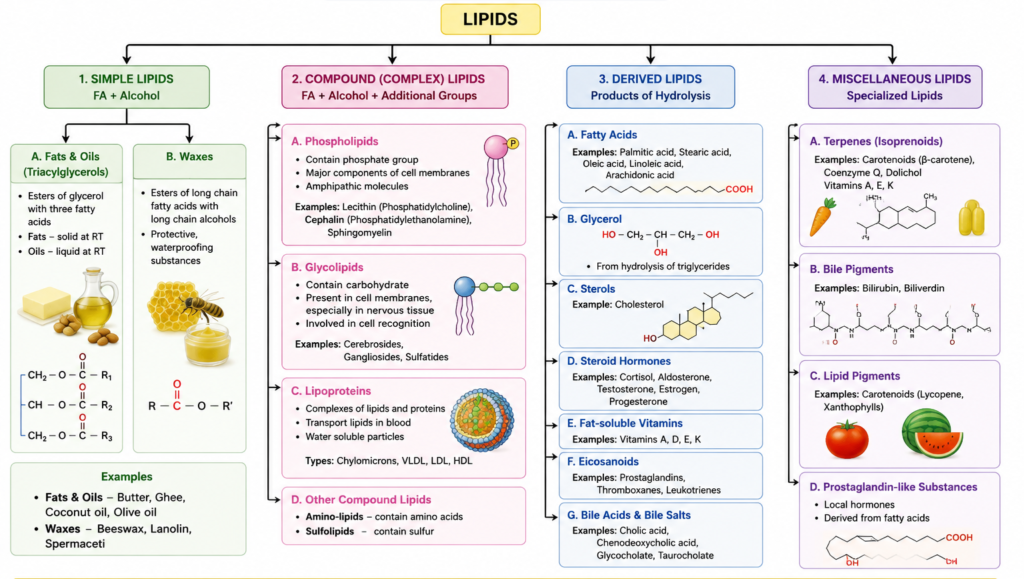
1. Simple Lipids
Simple lipids are esters of fatty acids with alcohols. On hydrolysis, they yield only fatty acids and alcohol.
Types of Simple Lipids
A. Fats and Oils (Triglycerides)
- Formed by glycerol and three fatty acids.
- Fats are solid at room temperature.
- Oils are liquid at room temperature.
Examples:
- Butter
- Ghee
- Coconut oil
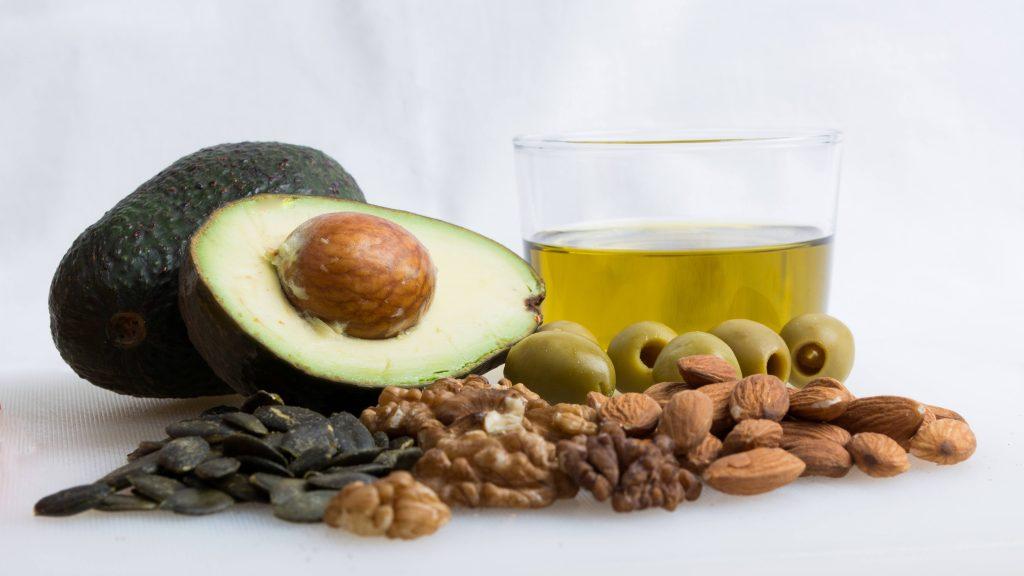
- Olive oil
B. Waxes
- Esters of long-chain fatty acids with long-chain alcohols.
- Provide protection and waterproofing.
Examples:
- Beeswax
- Lanolin
2. Compound (Complex) Lipids
Compound lipids are lipids that contain fatty acids and alcohol along with additional groups such as phosphate, carbohydrate, protein, or sulfur-containing compounds. On hydrolysis, they yield fatty acids, alcohol, and one or more additional components.
These lipids are important structural components of cell membranes and play essential roles in cellular functions.
A. Phospholipids
Phospholipids contain fatty acids, glycerol (or sphingosine), phosphoric acid, and a nitrogenous base.
They are amphipathic molecules, possessing:
- A hydrophilic (water-loving) head
- A hydrophobic (water-repelling) tail
Examples
1. Lecithin (Phosphatidylcholine)
- Most abundant phospholipid in cell membranes
- Important component of bile
- Acts as a lung surfactant
2. Cephalin (Phosphatidylethanolamine)
- Present in cell membranes
- Important in blood coagulation
3. Sphingomyelin
- Contains sphingosine instead of glycerol
- Major component of the myelin sheath of nerve fibers
Functions of Phospholipids
- Structural components of biological membranes
- Formation of lipoproteins
- Cell signaling
- Emulsification of lipids
- Maintenance of membrane fluidity
B. Glycolipids
Glycolipids are lipids that contain one or more carbohydrate residues attached to a lipid molecule.
They are abundant in nervous tissue, particularly in the brain and nerve membranes.
Examples
1. Cerebrosides
- Contain a single sugar molecule
- Found mainly in white matter of the brain
2. Gangliosides
- Complex glycolipids containing sialic acid
- Abundant in nerve tissue
Functions of Glycolipids
- Cell recognition and communication
- Receptor functions
- Maintenance of nerve tissue structure
- Formation of blood group antigens
C. Lipoproteins
Lipoproteins are complexes of lipids and proteins that transport lipids through the bloodstream.
Since lipids are insoluble in water, they must combine with proteins for transport in plasma.
Types of Lipoproteins
| Lipoprotein | Main Function |
|---|---|
| Chylomicrons | Transport dietary triglycerides |
| VLDL | Transport endogenous triglycerides |
| LDL | Delivers cholesterol to tissues (“Bad Cholesterol”) |
| HDL | Removes cholesterol from tissues (“Good Cholesterol”) |
Functions of Lipoproteins
- Transport triglycerides
- Transport cholesterol
- Transport phospholipids
- Maintain lipid balance in the body
D. Sulfolipids
Sulfolipids contain sulfur-containing groups in their structure.
Functions
- Found mainly in plant tissues and microorganisms
- Participate in membrane structure and metabolism
3. Derived Lipids
Derived lipids are substances obtained from the hydrolysis of simple and compound lipids. They retain the characteristics of lipids and play important roles in various biological functions.
Major Types of Derived Lipids
A. Fatty Acids
Fatty acids are the fundamental building blocks of many lipids.
Examples:
- Palmitic acid
- Stearic acid
- Oleic acid
- Linoleic acid
- Arachidonic acid
Functions:
- Source of energy
- Components of triglycerides and phospholipids
- Precursors of eicosanoids
B. Glycerol
Glycerol is a three-carbon alcohol released during the hydrolysis of triglycerides.
Functions:
- Used for triglyceride synthesis
- Can be converted into glucose during gluconeogenesis
C. Sterols
Sterols are alcohol derivatives containing a steroid nucleus.
Example:
- Cholesterol
Functions:
- Component of cell membranes
- Maintains membrane fluidity
- Precursor of steroid hormones, bile acids, and vitamin D
D. Steroid Hormones
These are synthesized from cholesterol.
Examples:
- Cortisol
- Aldosterone
- Testosterone
- Estrogen
- Progesterone
Functions:
- Regulation of metabolism
- Reproduction
- Water and electrolyte balance
- Stress response
E. Fat-Soluble Vitamins
These vitamins require lipids for absorption.
Examples:
- Vitamin A
- Vitamin D
- Vitamin E
- Vitamin K
Functions:
- Vision
- Bone health
- Antioxidant protection
- Blood clotting
F. Eicosanoids
Eicosanoids are biologically active compounds derived from arachidonic acid.
Examples:
- Prostaglandins
- Thromboxanes
- Leukotrienes
Functions:
- Inflammation
- Platelet aggregation
- Immune response
- Smooth muscle contraction
G. Bile Acids and Bile Salts
Synthesized from cholesterol in the liver.
Examples:
- Cholic acid
- Chenodeoxycholic acid
- Glycocholate
- Taurocholate
Functions:
- Emulsification of dietary fats
- Absorption of lipids and fat-soluble vitamins
4. Miscellaneous Lipids
Miscellaneous lipids are a group of lipids that do not fit neatly into the categories of simple, compound, or derived lipids. They perform important biological and physiological functions in the human body.
1. Steroids
Steroids are lipids characterized by a four-ring cyclopentanoperhydrophenanthrene nucleus.
Examples:
- Cholesterol
- Cortisol
- Aldosterone
- Estrogen
- Progesterone
- Testosterone
Functions:
- Formation of steroid hormones
- Component of cell membranes
- Precursor of bile acids and vitamin D
2. Terpenes (Isoprenoids)
Terpenes are compounds formed from isoprene units.
Examples:
- Vitamin A (Retinol)
- Vitamin E (Tocopherol)
- Vitamin K
- Coenzyme Q (Ubiquinone)
- Carotenoids
Functions:
- Antioxidant activity
- Vision
- Blood clotting
- Electron transport chain
3. Eicosanoids
Eicosanoids are biologically active lipids derived from arachidonic acid.
Examples:
- Prostaglandins
- Thromboxanes
- Leukotrienes
Functions:
- Regulation of inflammation
- Blood clotting
- Smooth muscle contraction
- Immune responses
4. Lipid Pigments
Certain lipid-soluble pigments are important in human physiology.
Examples:
- β-Carotene
- Lycopene
- Xanthophylls
Functions:
- Antioxidant activity
- Precursors of vitamin A
- Protection against oxidative stress
Fatty Acids
Fatty acids are aliphatic monocarboxylic acids containing a hydrocarbon chain and a terminal carboxyl group (-COOH). They are the basic building blocks of most lipids.
General Formula
R – COOH
Where:
- R = Hydrocarbon chain
- COOH = Carboxyl group
Example:
- Palmitic acid (C₁₆H₃₂O₂)
- Stearic acid (C₁₈H₃₆O₂)
Classification of Fatty Acids
1. Based on Saturation
A. Saturated Fatty Acids (SFA)
Contain no double bonds.
Examples:
| Fatty Acid | Carbon Atoms | Notation |
|---|---|---|
| Butyric acid | 4 | C4:0 |
| Caproic acid | 6 | C6:0 |
| Caprylic acid | 8 | C8:0 |
| Capric acid | 10 | C10:0 |
| Lauric acid | 12 | C12:0 |
| Myristic acid | 14 | C14:0 |
| Palmitic acid | 16 | C16:0 |
| Stearic acid | 18 | C18:0 |
| Arachidic acid | 20 | C20:0 |
Sources: Animal fats, butter, ghee, coconut oil.
B. Unsaturated Fatty Acids (UFA)
Contain one or more double bonds.
i. Monounsaturated Fatty Acids (MUFA)
Contain one double bond.
Examples:
| Fatty Acid | Notation |
|---|---|
| Palmitoleic acid | C16:1 |
| Oleic acid | C18:1 |
Source: Olive oil, groundnut oil.
ii. Polyunsaturated Fatty Acids (PUFA)
Contain two or more double bonds.
Examples:
| Fatty Acid | Notation |
|---|---|
| Linoleic acid | C18:2 |
| α-Linolenic acid | C18:3 |
| Arachidonic acid | C20:4 |
| EPA | C20:5 |
| DHA | C22:6 |
Sources: Fish oil, sunflower oil, soybean oil.
2. Based on Chain Length
Fatty acids are classified according to the number of carbon atoms present in their hydrocarbon chain.
| Type of Fatty Acid | Number of Carbon Atoms | Examples |
|---|---|---|
| Short-Chain Fatty Acids (SCFA) | Less than 6 carbons | Acetic acid (C2), Propionic acid (C3), Butyric acid (C4) |
| Medium-Chain Fatty Acids (MCFA) | 6–12 carbons | Caproic acid (C6), Caprylic acid (C8), Capric acid (C10), Lauric acid (C12) |
| Long-Chain Fatty Acids (LCFA) | 13–21 carbons | Myristic acid (C14), Palmitic acid (C16), Stearic acid (C18), Oleic acid (C18:1) |
| Very Long-Chain Fatty Acids (VLCFA) | 22 or more carbons | Behenic acid (C22), Lignoceric acid (C24), Nervonic acid (C24:1), Cerotic acid (C26) |
1. Short-Chain Fatty Acids (SCFA)
- Contain fewer than 6 carbon atoms.
- Produced mainly by bacterial fermentation of dietary fiber in the colon.
- Rapidly absorbed and used as an energy source.
- Important for intestinal health.
Examples:
- Acetic acid (C2:0)
- Propionic acid (C3:0)
- Butyric acid (C4:0)
2. Medium-Chain Fatty Acids (MCFA)
- Contain 6–12 carbon atoms.
- Absorbed directly into the portal circulation without requiring bile salts.
- Rapidly oxidized for energy.
Examples:
- Caproic acid (C6:0)
- Caprylic acid (C8:0)
- Capric acid (C10:0)
- Lauric acid (C12:0)
Sources: Coconut oil, palm kernel oil.
3. Long-Chain Fatty Acids (LCFA)
- Contain 13–21 carbon atoms.
- Most common fatty acids found in dietary fats and body lipids.
- Require bile salts for digestion and absorption.
Examples:
- Myristic acid (C14:0)
- Palmitic acid (C16:0)
- Stearic acid (C18:0)
- Oleic acid (C18:1)
- Linoleic acid (C18:2)
4. Very Long-Chain Fatty Acids (VLCFA)
- Contain 22 or more carbon atoms.
- Found in sphingolipids and nervous tissue.
- Oxidized mainly in peroxisomes.
Examples:
- Behenic acid (C22:0)
- Lignoceric acid (C24:0)
- Nervonic acid (C24:1)
- Cerotic acid (C26:0)
Clinical Significance
- Accumulation of VLCFAs occurs in X-linked Adrenoleukodystrophy due to defective peroxisomal β-oxidation.
- MCFAs are useful in patients with fat malabsorption because they are absorbed more easily than long-chain fatty acids.
3. Based on Nutritional Requirement
Based on whether they can be synthesized by the human body or must be obtained from the diet, fatty acids are classified into Essential Fatty Acids (EFAs) and Non-Essential Fatty Acids.
| Type | Definition | Examples |
|---|---|---|
| Essential Fatty Acids (EFAs) | Cannot be synthesized by the human body and must be supplied through diet | Linoleic acid, α-Linolenic acid, Arachidonic acid* |
| Non-Essential Fatty Acids | Can be synthesized in the body from other nutrients | Palmitic acid, Stearic acid, Oleic acid |
A. Essential Fatty Acids (EFAs)
Essential fatty acids are those fatty acids that cannot be synthesized by humans because the body lacks enzymes capable of introducing double bonds beyond the ninth carbon atom.
Major Essential Fatty Acids
- Linoleic Acid (18:2, ω-6)
- Most important essential fatty acid.
- Precursor of arachidonic acid.
- Alpha-Linolenic Acid (18:3, ω-3)
- Precursor of EPA and DHA.
- Important for brain and retinal development.
- Arachidonic Acid (20:4, ω-6)
- Conditionally essential.
- Required during rapid growth and infancy.
Functions of Essential Fatty Acids
- Essential for normal growth and development.
- Maintain cell membrane structure and fluidity.
- Required for brain and nervous system function.
- Necessary for normal skin integrity.
- Precursors of prostaglandins, thromboxanes, and leukotrienes.
- Important for reproductive function.
Dietary Sources
- Vegetable oils (sunflower, safflower, soybean oil)
- Flaxseed oil
- Fish oils
- Nuts and seeds
Deficiency Manifestations
- Dry, scaly dermatitis
- Growth retardation
- Hair loss
- Poor wound healing
- Increased susceptibility to infections
- Reproductive abnormalities
B. Non-Essential Fatty Acids
Non-essential fatty acids are synthesized in the body from carbohydrates, proteins, or other fatty acids and therefore do not need to be supplied through the diet.
Examples
- Palmitic acid (16:0)
- Stearic acid (18:0)
- Oleic acid (18:1)
- Palmitoleic acid (16:1)
Functions
- Energy production
- Storage as triglycerides
- Structural components of membranes
- Synthesis of complex lipids
4. Based on Omega (ω) Series
Fatty acids are classified into different omega (ω) families according to the position of the first double bond from the methyl (CH₃) end of the fatty acid chain.
The omega carbon is the last carbon atom (methyl end) of the fatty acid molecule.
A. Omega-3 (ω-3) Fatty Acids
In omega-3 fatty acids, the first double bond is located between the 3rd and 4th carbon atoms from the methyl end.
Examples
| Fatty Acid | Notation |
|---|---|
| Alpha-Linolenic Acid (ALA) | 18:3, ω-3 |
| Eicosapentaenoic Acid (EPA) | 20:5, ω-3 |
| Docosahexaenoic Acid (DHA) | 22:6, ω-3 |
Sources
- Fish oil
- Salmon
- Sardines
- Tuna
- Flaxseeds
- Chia seeds
- Walnuts
Functions
- Essential for brain development and function
- Important for retinal health
- Reduce inflammation
- Lower triglyceride levels
- Protect against cardiovascular diseases
B. Omega-6 (ω-6) Fatty Acids
In omega-6 fatty acids, the first double bond is located between the 6th and 7th carbon atoms from the methyl end.
Examples
| Fatty Acid | Notation |
|---|---|
| Linoleic Acid | 18:2, ω-6 |
| Gamma-Linolenic Acid (GLA) | 18:3, ω-6 |
| Arachidonic Acid | 20:4, ω-6 |
Sources
- Sunflower oil
- Corn oil
- Soybean oil
- Safflower oil
- Nuts and seeds
Functions
- Growth and development
- Maintenance of skin health
- Formation of cell membranes
- Precursor of prostaglandins and leukotrienes
C. Omega-9 (ω-9) Fatty Acids
In omega-9 fatty acids, the first double bond is located between the 9th and 10th carbon atoms from the methyl end.
Examples
| Fatty Acid | Notation |
|---|---|
| Oleic Acid | 18:1, ω-9 |
| Erucic Acid | 22:1, ω-9 |
Sources
- Olive oil
- Groundnut oil
- Avocado
- Almonds
Functions
- Help maintain healthy cholesterol levels
- Provide energy
- Support cardiovascular health
Comparison of Omega Fatty Acids
| Feature | Omega-3 | Omega-6 | Omega-9 |
|---|---|---|---|
| First Double Bond | 3rd Carbon | 6th Carbon | 9th Carbon |
| Essential | Yes | Yes | No |
| Main Example | α-Linolenic Acid | Linoleic Acid | Oleic Acid |
| Major Sources | Fish oil, Flaxseed | Vegetable oils | Olive oil |
| Main Function | Anti-inflammatory | Growth and immunity | Heart health |
5. Based on Configuration of Double Bond
A. Cis Fatty Acids
In cis fatty acids, the hydrogen atoms attached to the carbon atoms involved in the double bond are present on the same side of the double bond.
Characteristics
- Most naturally occurring unsaturated fatty acids are in the cis form.
- The double bond creates a bend or kink in the hydrocarbon chain.
- Prevents close packing of fatty acid molecules.
- Have a lower melting point.
- Usually liquid at room temperature.
Examples
| Fatty Acid | Notation |
|---|---|
| Oleic Acid | C18:1 cis-Δ9 |
| Linoleic Acid | C18:2 |
| α-Linolenic Acid | C18:3 |
| Arachidonic Acid | C20:4 |
Sources
- Olive oil
- Groundnut oil
- Sunflower oil
- Fish oil
- Nuts and seeds
Biological Importance
- Maintain membrane fluidity
- Essential for normal cell function
- Beneficial for cardiovascular health
B. Trans Fatty Acids
In trans fatty acids, the hydrogen atoms attached to the carbon atoms involved in the double bond are present on opposite sides of the double bond.
Characteristics
- Hydrocarbon chain remains relatively straight.
- Resemble saturated fatty acids in structure.
- Have a higher melting point than cis fatty acids.
- Usually solid or semi-solid at room temperature.
Examples
| Fatty Acid | Notation |
|---|---|
| Elaidic Acid | Trans form of Oleic Acid |
| Vaccenic Acid | Natural trans fatty acid |
Sources
Natural Sources
- Milk
- Butter
- Meat of ruminant animals
Industrial Sources
- Hydrogenated vegetable oils
- Vanaspati ghee
- Margarine
- Bakery products
- Fast foods
- Fried snacks
Harmful Effects of Trans Fats
- Increase LDL (“Bad”) cholesterol
- Decrease HDL (“Good”) cholesterol
- Increase risk of atherosclerosis
- Increase risk of coronary heart disease
- Promote inflammation
Comparison of Cis and Trans Fatty Acids
| Feature | Cis Fatty Acids | Trans Fatty Acids |
|---|---|---|
| Position of H atoms | Same side of double bond | Opposite sides of double bond |
| Shape | Bent (kinked) | Straight |
| Packing of molecules | Loose | Tight |
| Melting point | Lower | Higher |
| Physical state | Usually liquid | Usually solid/semi-solid |
| Health effect | Beneficial | Harmful |
| Occurrence | Natural oils and fish fats | Hydrogenated fats and processed foods |
Essential Fatty Acids
Essential fatty acids (EFAs) are fatty acids that cannot be synthesized by the human body in sufficient amounts and therefore must be obtained through the diet. Humans lack the enzymes required to introduce double bonds beyond the ninth carbon atom of the fatty acid chain.
Types of Essential Fatty Acids
1. Linoleic Acid (LA)
- Formula: 18:2, ω-6
- Most important essential fatty acid.
- Parent fatty acid of the omega-6 family.
2. Alpha-Linolenic Acid (ALA)
- Formula: 18:3, ω-3
- Parent fatty acid of the omega-3 family.
3. Arachidonic Acid (AA)
- Formula: 20:4, ω-6
- Conditionally essential.
- Can be synthesized from linoleic acid.
- Essential during infancy and when linoleic acid intake is inadequate.
Classification of Essential Fatty Acids
| Type | Fatty Acid | Omega Family |
|---|---|---|
| Essential | Linoleic Acid | ω-6 |
| Essential | α-Linolenic Acid | ω-3 |
| Conditionally Essential | Arachidonic Acid | ω-6 |
Functions of Essential Fatty Acids
1. Structural Components of Cell Membranes
- Maintain membrane integrity and fluidity.
- Essential for normal cellular function.
2. Growth and Development
- Necessary for normal growth in children.
- Important for tissue repair and regeneration.
3. Brain and Nervous System Development
- Essential for development and function of the brain and retina.
- Important during fetal life and infancy.
4. Formation of Eicosanoids
- Precursors of:
- Prostaglandins
- Thromboxanes
- Leukotrienes
5. Maintenance of Healthy Skin
- Prevent dryness and scaling of skin.
- Maintain normal epithelial tissues.
6. Cardiovascular Protection
- Help reduce plasma triglycerides.
- Support normal heart function.
7. Reproductive Function
- Necessary for fertility and normal reproductive health.
Dietary Sources
Sources of Linoleic Acid (ω-6)
- Sunflower oil
- Safflower oil
- Corn oil
- Soybean oil
- Groundnut oil
Sources of α-Linolenic Acid (ω-3)
- Flaxseed (Linseed)
- Chia seeds
- Walnuts
- Soybean oil
- Canola oil
Sources of Arachidonic Acid
- Egg yolk
- Meat
- Liver
- Fish
Deficiency of Essential Fatty Acids
Deficiency is uncommon but may occur in severe malnutrition, prolonged fat-free diets, and malabsorption disorders.
Clinical Features
- Dry, rough, scaly dermatitis
- Growth retardation
- Hair loss (alopecia)
- Poor wound healing
- Increased susceptibility to infections
- Reproductive failure
- Impaired vision
- Neurological abnormalities
Comparison of Essential Fatty Acids
| Feature | Linoleic Acid | α-Linolenic Acid | Arachidonic Acid |
|---|---|---|---|
| Notation | 18:2 | 18:3 | 20:4 |
| Omega Family | ω-6 | ω-3 | ω-6 |
| Essentiality | Essential | Essential | Conditionally Essential |
| Major Function | Cell membranes, eicosanoids | Brain and heart health | Eicosanoid synthesis |
Triglycerides
- Triacylglycerols (TAGs), also known as triglycerides, triacylglycerides, or neutral fats, are the most abundant lipids in the human body and the major storage form of energy.
- They constitute about 95% of the lipids present in dietary fats and oils.
- Triacylglycerols are stored mainly in adipose tissue and serve as an energy reserve that can be utilized during fasting, starvation, or increased physical activity.
Definition
- Triacylglycerols are esters formed by the reaction of one molecule of glycerol with three molecules of fatty acids.
- Since all three hydroxyl groups of glycerol are esterified, triglycerides are called triacylglycerols.
Structure of Triacylglycerols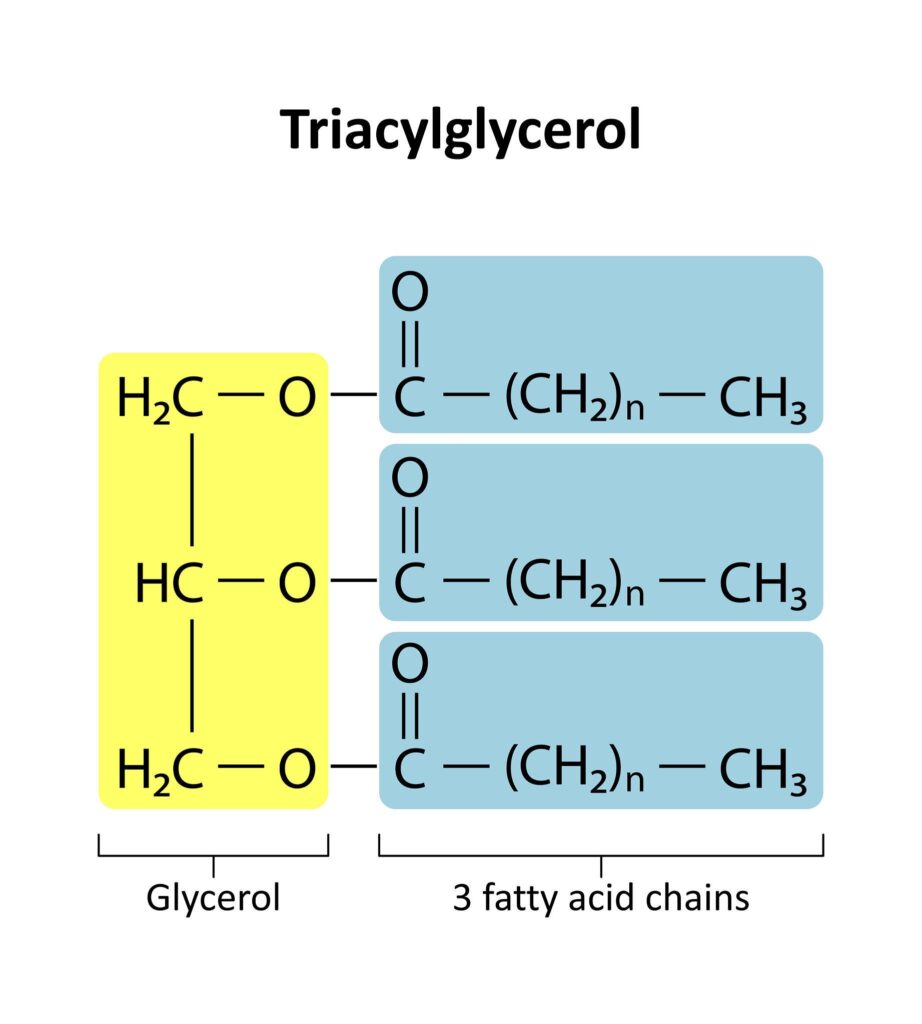
A triglyceride molecule consists of:
- One glycerol molecule (3-carbon alcohol)
- Three fatty acid molecules
- Three ester bonds
General Structure:
Glycerol + 3 Fatty Acids → Triacylglycerol + 3 H₂O
The ester linkage is formed between the hydroxyl group of glycerol and the carboxyl group of fatty acids.
Types of Triacylglycerols
1. Simple Triacylglycerols
- When all three fatty acids attached to glycerol are identical.
Examples:
- Tripalmitin (3 molecules of palmitic acid)
- Tristearin (3 molecules of stearic acid)
- Triolein (3 molecules of oleic acid)
2. Mixed Triacylglycerols
- When two or three different fatty acids are attached to glycerol.
Example:
- Palmito-oleo-stearin
Most naturally occurring fats and oils are mixed triglycerides.
Physical Properties of Triacylglycerols
1. Insolubility in Water
- Triglycerides are nonpolar molecules.
- Insoluble in water.
- Soluble in organic solvents such as ether, chloroform, benzene, and acetone.
2. State at Room Temperature
- Rich in saturated fatty acids → Solid (Fats)
- Rich in unsaturated fatty acids → Liquid (Oils)
Examples
Fats
- Butter
- Ghee
- Animal fat
Oils
- Olive oil
- Sunflower oil
- Groundnut oil
3. Density
- Less dense than water.
- Therefore, fats float on water.
Functions of Triacylglycerols
1. Major Energy Reserve
- Principal storage form of energy in the body.
- Stored in adipose tissue.
- Provide approximately 9 kcal/g.
2. Thermal Insulation
- Subcutaneous fat reduces heat loss.
- Helps maintain body temperature.
3. Mechanical Protection
- Cushions and protects vital organs.
- Acts as a shock absorber around kidneys, heart, and eyeballs.
4. Source of Essential Fatty Acids
- Supply essential fatty acids required for normal growth and development.
5. Vehicle for Fat-Soluble Vitamins
- Aid in absorption and transport of vitamins A, D, E, and K.
6. Source of Metabolic Water
- Oxidation of triglycerides produces water and energy.
Digestion and Absorption
- Digestion begins minimally in the stomach.
- Major digestion occurs in the small intestine.
- Pancreatic lipase hydrolyzes triglycerides into:
- Monoglycerides
- Free fatty acids
- Glycerol
These products are absorbed by intestinal mucosal cells and reassembled into triglycerides.
Storage of Triacylglycerols
Triglycerides are stored mainly in:
- Adipose tissue
- Liver (small amount)
- Skeletal muscle
Adipose tissue acts as the body’s energy reservoir.
Mobilization of Stored Fat
During fasting, starvation, or exercise:
- Hormone-sensitive lipase becomes activated.
- Triglycerides are broken down into:
- Free fatty acids
- Glycerol
This process is called lipolysis.
The released fatty acids are transported to tissues for energy production.
Clinical Significance
Hypertriglyceridemia
Elevated triglyceride levels in blood may occur in:
- Obesity
- Diabetes mellitus
- Hypothyroidism
- Nephrotic syndrome
- Excessive alcohol consumption
Complications:
- Acute pancreatitis
- Atherosclerosis
- Cardiovascular disease
Obesity
- Excess calories are stored as triglycerides in adipose tissue, leading to increased body fat and obesity.
Fatty Liver
- Excess accumulation of triglycerides in liver cells results in fatty liver (hepatic steatosis).
Common causes include:
- Alcoholism
- Obesity
- Diabetes mellitus
- Malnutrition
Phospholipids
- Phospholipids are one of the most important classes of lipids found in living organisms.
- They are complex lipids containing fatty acids, an alcohol, phosphoric acid, and a nitrogenous base or another substituent.
- Phospholipids are present in every cell of the body and are the principal structural components of biological membranes.
- Because phospholipids contain both hydrophilic (water-loving) and hydrophobic (water-repelling) portions, they possess unique physical and biological properties that enable them to form cell membranes.
- Approximately 40–50% of the lipids present in most cell membranes are phospholipids.
Definition
Phospholipids are complex lipids that contain:
- Fatty acids
- Alcohol (Glycerol or Sphingosine)
- Phosphoric acid
- Nitrogenous base or other substituent
On hydrolysis, they yield:
- Fatty acids
- Alcohol
- Phosphoric acid
- Nitrogenous compound
General Structure of Phospholipids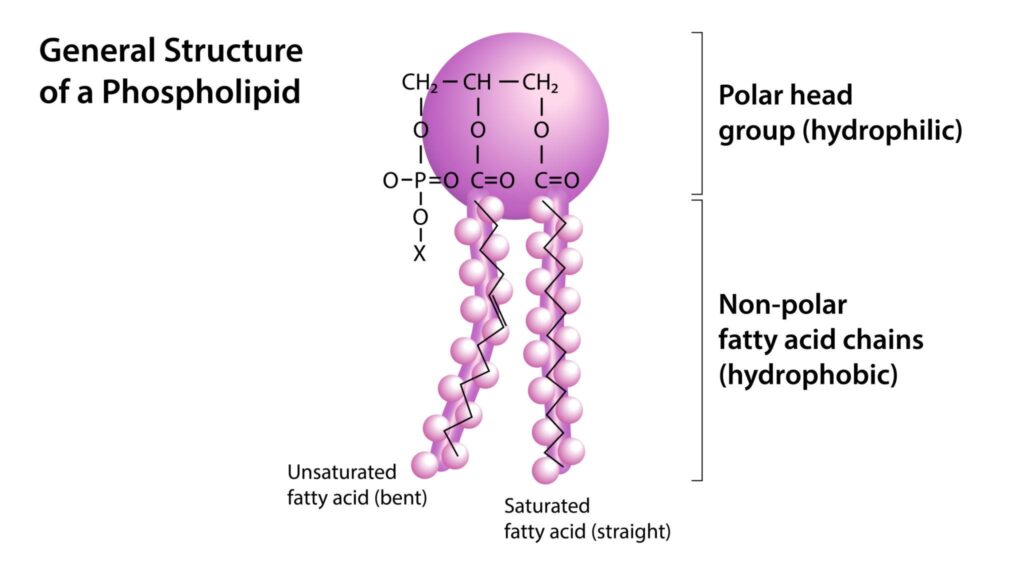
A typical phospholipid molecule consists of:
Hydrophilic Head
Contains:
- Phosphate group
- Nitrogenous base
Hydrophobic Tail
Contains:
- Two fatty acid chains
This dual nature makes phospholipids amphipathic molecules.
Amphipathic Nature of Phospholipids
The amphipathic nature is the most important property of phospholipids.
Hydrophilic Portion
- Phosphate group
- Polar
- Water soluble
Hydrophobic Portion
- Fatty acid chains
- Nonpolar
- Water insoluble
Because of this property, phospholipids spontaneously arrange themselves into bilayers when placed in water.
This forms the basis of:
- Cell membranes
- Organelle membranes
- Liposomes
- Micelles
Classification of Phospholipids
Phospholipids are classified into:
1. Glycerophospholipids
- Contain glycerol as the alcohol.
2. Sphingophospholipids
- Contain sphingosine as the alcohol.
1. Glycerophospholipids
These are the most abundant phospholipids in humans.
Structure
Contain:
- Glycerol
- Two fatty acids
- Phosphoric acid
- Nitrogenous base
The parent compound is Phosphatidic Acid.
Phosphatidic Acid
Importance
- Simplest phospholipid
- Precursor of all glycerophospholipids
- Intermediate in triglyceride synthesis
Important Glycerophospholipids
A. Lecithin (Phosphatidylcholine)
- Lecithin is the most abundant phospholipid in animal tissues.
Distribution
Found in:
- Cell membranes
- Liver
- Brain
- Egg yolk
- Soybeans
- Lipoproteins
Functions
- Structural Function – Major constituent of biological membranes.
- Lipid Transport – Important component of plasma lipoproteins.
- Bile Formation – Keeps cholesterol dissolved in bile.
- Lung Surfactant – Dipalmitoyl phosphatidylcholine (DPPC) is the major pulmonary surfactant.
Clinical Importance
Respiratory Distress Syndrome (RDS)
- Premature infants may lack sufficient surfactant.
Results in:
- Alveolar collapse
- Difficulty in breathing
- Respiratory failure
Lecithin/Sphingomyelin (L/S) ratio in amniotic fluid is used to assess fetal lung maturity.
Normal L/S ratio > 2
B. Cephalin (Phosphatidylethanolamine)
- Contains ethanolamine as the nitrogenous base.
Functions
- Component of cell membranes
- Important in blood coagulation
- Present in nervous tissue
- Maintains membrane stability
C. Phosphatidylserine
- Contains serine as the nitrogenous base.
Functions
- Cell signaling
- Apoptosis regulation
- Membrane stability
- Neuronal function
D. Phosphatidylinositol
- Contains inositol instead of a nitrogenous base.
Functions
- Signal transduction
- Formation of second messengers
Important second messengers:
- IP3 (Inositol triphosphate)
- DAG (Diacylglycerol)
These regulate:
- Hormonal responses
- Calcium release
- Cell growth
E. Cardiolipin
- A unique phospholipid present mainly in mitochondria.
Distribution
- Inner mitochondrial membrane
Functions
- Essential for oxidative phosphorylation
- Supports electron transport chain
- Maintains mitochondrial membrane integrity
Clinical Importance
Cardiolipin antigen is used in:
- VDRL test
- RPR test
for the diagnosis of syphilis.
2. Sphingophospholipids
- These phospholipids contain sphingosine instead of glycerol.
The most important member is:
Sphingomyelin
Structure
Contains:
- Sphingosine
- Fatty acid
- Phosphoric acid
- Choline
Distribution
Abundant in:
- Brain
- Nervous tissue
- Myelin sheath
- Cell membranes
Functions
- Formation of Myelin Sheath – Protects nerve fibers.
- Electrical Insulation – Allows rapid conduction of nerve impulses.
- Membrane Structure – Contributes to membrane stability.
Clinical Importance
Niemann-Pick Disease
- Caused by deficiency of sphingomyelinase enzyme.
Results in:
- Accumulation of sphingomyelin
- Hepatosplenomegaly
- Neurological abnormalities
- Developmental delay
Functions of Phospholipids
1. Structural Components of Cell Membranes
Phospholipids are the principal constituents of:
- Plasma membrane
- Nuclear membrane
- Mitochondrial membrane
- Endoplasmic reticulum
2. Formation of Lipid Bilayer
- In aqueous environments phospholipids arrange into a bilayer.
- This bilayer forms the framework of biological membranes.
3. Lung Surfactant Function
- Dipalmitoyl phosphatidylcholine reduces surface tension inside alveoli.
Prevents:
- Alveolar collapse
- Atelectasis
4. Lipid Transport
Phospholipids are essential components of:
- HDL
- LDL
- VLDL
- Chylomicrons
They help transport lipids through blood.
5. Cell Signaling
Phosphatidylinositol participates in:
- Hormone action
- Signal transduction
- Intracellular communication
6. Blood Coagulation
Cephalin functions as platelet factor.
Important in:
- Clot formation
- Hemostasis
7. Emulsification of Lipids
Lecithin acts as a natural emulsifying agent.
Facilitates:
- Digestion of fats
- Absorption of lipids
8. Nerve Impulse Conduction
Sphingomyelin forms the myelin sheath.
Helps:
- Rapid nerve conduction
- Protection of neurons
Clinical Significance of Phospholipids
Respiratory Distress Syndrome (RDS)
Cause:
- Surfactant deficiency
Key molecule:
- Dipalmitoyl lecithin
Niemann-Pick Disease
Cause:
- Sphingomyelinase deficiency
Accumulated lipid:
- Sphingomyelin
Atherosclerosis
Abnormal phospholipid metabolism contributes to:
- Endothelial injury
- Plaque formation
Gallstone Formation
Reduced lecithin concentration in bile leads to:
- Cholesterol precipitation
- Gallstone formation
Glycolipids
- Glycolipids are a group of complex lipids that contain one or more carbohydrate residues attached to a lipid molecule.
- They are important constituents of cell membranes, particularly in nervous tissue. Unlike phospholipids, glycolipids do not contain phosphoric acid.
- Glycolipids are especially abundant in the brain, spinal cord, peripheral nerves, and the outer surface of plasma membranes, where they play vital roles in cell recognition, communication, and membrane stability.
Definition
Glycolipids are complex lipids that contain:
- Fatty acid
- Sphingosine
- Carbohydrate residue(s)
but lack phosphoric acid.
On hydrolysis, glycolipids yield:
- Fatty acid
- Sphingosine
- One or more sugar molecules
General Structure of Glycolipids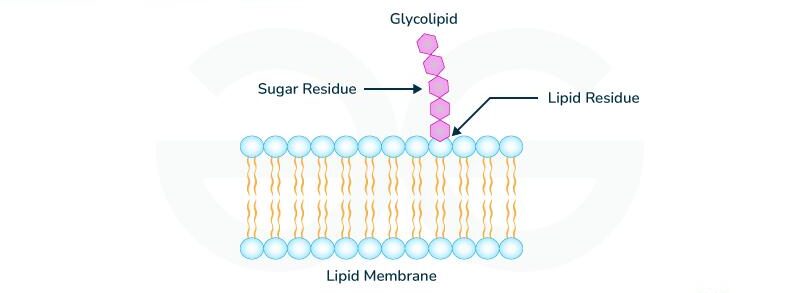
A typical glycolipid consists of:
Lipid Portion
- Sphingosine
- Fatty acid
Together they form Ceramide.
Carbohydrate Portion
- Glucose
- Galactose
- Oligosaccharides
- Sialic acid
Thus:
Ceramide + Carbohydrate = Glycolipid
Distribution of Glycolipids
Glycolipids are found mainly in:
- Brain
- Nervous tissue
- Myelin sheath
- Erythrocyte membrane
- Cell membranes
They are concentrated on the outer surface of plasma membranes.
Classification of Glycolipids
Glycolipids are classified according to the carbohydrate attached to ceramide.
1. Cerebrosides
- These are the simplest glycolipids.
Structure
- Ceramide + Single Sugar
The sugar may be:
- Glucose
- Galactose
Types
Glucocerebroside
- Contains glucose.
Galactocerebroside
- Contains galactose.
Distribution
- Brain
- Myelin sheath
- Nervous tissue
Functions
- Structural component of cell membranes
- Formation of myelin sheath
- Insulation of nerve fibers
2. Sulfatides
- Sulfatides are sulfated cerebrosides.
Structure
- Ceramide + Galactose + Sulfate
Distribution
- White matter of brain
- Myelin sheath
- Nervous tissue
Functions
- Stabilization of myelin membrane
- Nerve conduction
3. Globosides
- Globosides contain two or more sugar residues.
Structure
- Ceramide + Oligosaccharides
Distribution
- Cell membranes
- Red blood cells
- Various tissues
Functions
- Cell recognition
- Cell adhesion
- Blood group antigen expression
4. Gangliosides
- Gangliosides are the most complex glycolipids.
Structure
- Ceramide + Oligosaccharides + Sialic Acid (NANA)
NANA = N-Acetylneuraminic Acid
Distribution
Highly concentrated in:
- Brain
- Gray matter
- Nerve endings
- Synaptic membranes
Functions
- Cell Recognition – Act as receptors on cell surfaces.
- Signal Transmission – Participate in nerve impulse transmission.
Receptor Function
Serve as receptors for:
- Hormones
- Toxins
- Viruses
Cellular Communication
Essential for communication between cells.
Functions of Glycolipids
1. Structural Components of Cell Membranes
- Glycolipids contribute to membrane stability and integrity.
2. Cell Recognition
- They act as surface markers that allow cells to recognize one another.
3. Receptor Functions
- Many glycolipids function as receptors for:
- Hormones
- Bacterial toxins
- Viruses
4. Blood Group Antigens
- ABO blood group antigens are present on membrane glycolipids.
5. Nervous System Function
Important components of:
- Brain tissue
- Myelin sheath
- Synaptic membranes
6. Cell Adhesion and Communication
- Help cells interact with neighboring cells.
7. Protection of Cell Surface
- Form part of the glycocalyx that protects cells from mechanical and chemical injury.
Clinical Significance of Glycolipids
Abnormal metabolism of glycolipids causes a group of inherited disorders called Sphingolipidoses.
1. Gaucher Disease
Enzyme Deficiency
- β-Glucocerebrosidase
Accumulated Lipid
- Glucocerebroside
Clinical Features
- Hepatosplenomegaly
- Bone pain
- Anemia
- Thrombocytopenia
Most common lysosomal storage disease.
2. Tay-Sachs Disease
Enzyme Deficiency
- Hexosaminidase A
Accumulated Lipid
- GM₂ Ganglioside
Clinical Features
- Progressive neurodegeneration
- Blindness
- Developmental delay
- Cherry-red spot in retina
3. Krabbe Disease
Enzyme Deficiency
- Galactocerebrosidase
Accumulated Lipid
- Galactocerebroside
Clinical Features
- Severe neurological deterioration
- Mental retardation
- Peripheral neuropathy
4. Metachromatic Leukodystrophy
Enzyme Deficiency
- Arylsulfatase A
Accumulated Lipid
- Sulfatides
Clinical Features
- Demyelination
- Muscle weakness
- Neurological dysfunction
Comparison of Major Glycolipids
| Glycolipid | Carbohydrate Component | Major Location |
|---|---|---|
| Cerebrosides | Single sugar | Brain and myelin |
| Sulfatides | Sulfated sugar | White matter |
| Globosides | Multiple sugars | Cell membranes |
| Gangliosides | Oligosaccharides + Sialic acid | Brain and nerve endings |
Summary Table of Glycolipid Storage Diseases
| Disease | Enzyme Deficiency | Accumulated Lipid |
|---|---|---|
| Gaucher Disease | β-Glucocerebrosidase | Glucocerebroside |
| Tay-Sachs Disease | Hexosaminidase A | GM₂ Ganglioside |
| Krabbe Disease | Galactocerebrosidase | Galactocerebroside |
| Metachromatic Leukodystrophy | Arylsulfatase A | Sulfatides |
Cholesterol
- Cholesterol is the most important sterol found in animal tissues and is one of the most extensively studied lipids in biochemistry.
- Although cholesterol is often associated with heart disease, it is actually an essential component of the human body and is required for normal cellular and physiological functions.
- Cholesterol is present in every cell membrane and serves as a precursor for several biologically important compounds, including steroid hormones, bile acids, and vitamin D.
- Approximately 1–2 g of cholesterol is present in the adult human body, with high concentrations found in the brain, liver, spinal cord, adrenal glands, and cell membranes.
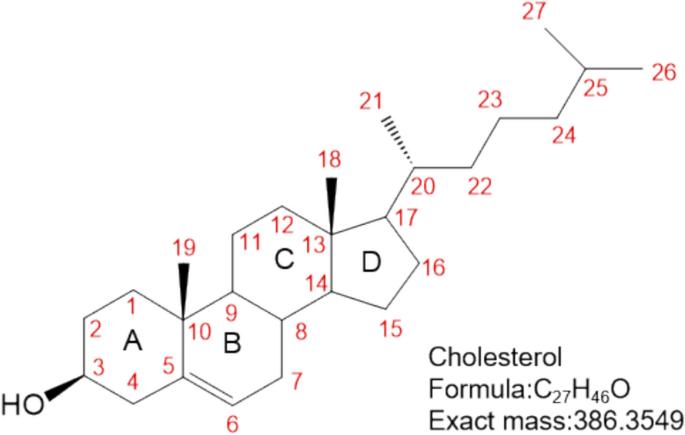
Definition
Cholesterol is a 27-carbon monohydric alcohol belonging to the steroid family of lipids.
It contains:
- Four fused hydrocarbon rings (steroid nucleus)
- One hydroxyl (-OH) group
- A hydrocarbon side chain
Because it contains both lipid and alcohol characteristics, cholesterol is classified as a sterol.
Structure of Cholesterol
- Structural Features
Cholesterol contains:
- Cyclopentanoperhydrophenanthrene nucleus
- Three six-membered rings
- One five-membered ring
- Hydroxyl group at carbon-3
- Double bond between carbon-5 and carbon-6
- Eight-carbon side chain attached to carbon-17
Molecular Formula
- C₂₇H₄₆O
Important Property
Cholesterol is an amphipathic molecule because:
- Hydroxyl group is hydrophilic
- Steroid nucleus and side chain are hydrophobic
Sources of Cholesterol
1. Exogenous (Dietary) Sources
- Obtained from animal foods.
Rich Sources
- Egg yolk
- Liver
- Kidney
- Meat
- Butter
- Cheese
- Whole milk
- Fish
Note
Plant foods do not contain cholesterol.
Instead, plants contain phytosterols such as:
- β-Sitosterol
- Stigmasterol
2. Endogenous Sources
The body synthesizes cholesterol mainly in:
- Liver
- Intestinal mucosa
- Adrenal cortex
- Skin
- Gonads
The liver is the major site of cholesterol synthesis.
Regulation of Cholesterol Synthesis
The key regulatory enzyme is:
- HMG-CoA Reductase
Activity is inhibited by:
- High intracellular cholesterol
- Statin drugs
- Glucagon
Activity is stimulated by:
- Insulin
- Low cholesterol levels
Functions of Cholesterol
1. Structural Component of Cell Membranes
- Essential constituent of plasma membranes.
- Maintains membrane stability and fluidity.
- Regulates membrane permeability.
2. Precursor of Steroid Hormones
Cholesterol is the precursor of:
Glucocorticoids
- Cortisol
Mineralocorticoids
- Aldosterone
Sex Hormones
- Testosterone
- Estrogen
- Progesterone
3. Formation of Bile Acids
Cholesterol is converted into:
- Cholic acid
- Chenodeoxycholic acid
Functions:
- Emulsification of fats
- Fat digestion and absorption
4. Formation of Vitamin D
In the skin:
7-Dehydrocholesterol → Vitamin D₃
under the influence of ultraviolet sunlight.
5. Formation of Lipoproteins
Cholesterol is transported in blood as a component of:
- LDL
- HDL
- VLDL
- Chylomicrons
6. Component of Nervous Tissue
Abundant in:
- Brain
- Myelin sheath
- Nerve tissue
Supports normal nerve function.
Transport of Cholesterol
Since cholesterol is insoluble in water, it is transported through blood by lipoproteins.
LDL (Low Density Lipoprotein)
Function
- Delivers cholesterol from liver to tissues.
Known As
Bad Cholesterol
Clinical Significance
Increased LDL promotes:
- Atherosclerosis
- Coronary artery disease
HDL (High Density Lipoprotein)
Function
- Removes cholesterol from tissues.
- Carries cholesterol back to liver.
Known As
Good Cholesterol
Clinical Significance
Protects against:
- Atherosclerosis
- Heart disease
Hypercholesterolemia
Hypercholesterolemia refers to elevated cholesterol levels in blood.
Causes
Primary Causes
- Familial hypercholesterolemia
- Genetic defects in LDL receptors
Secondary Causes
- Diabetes mellitus
- Hypothyroidism
- Nephrotic syndrome
- Obesity
- High-fat diet
Effects
- Atherosclerosis
- Coronary artery disease
- Stroke
- Peripheral vascular disease
Atherosclerosis
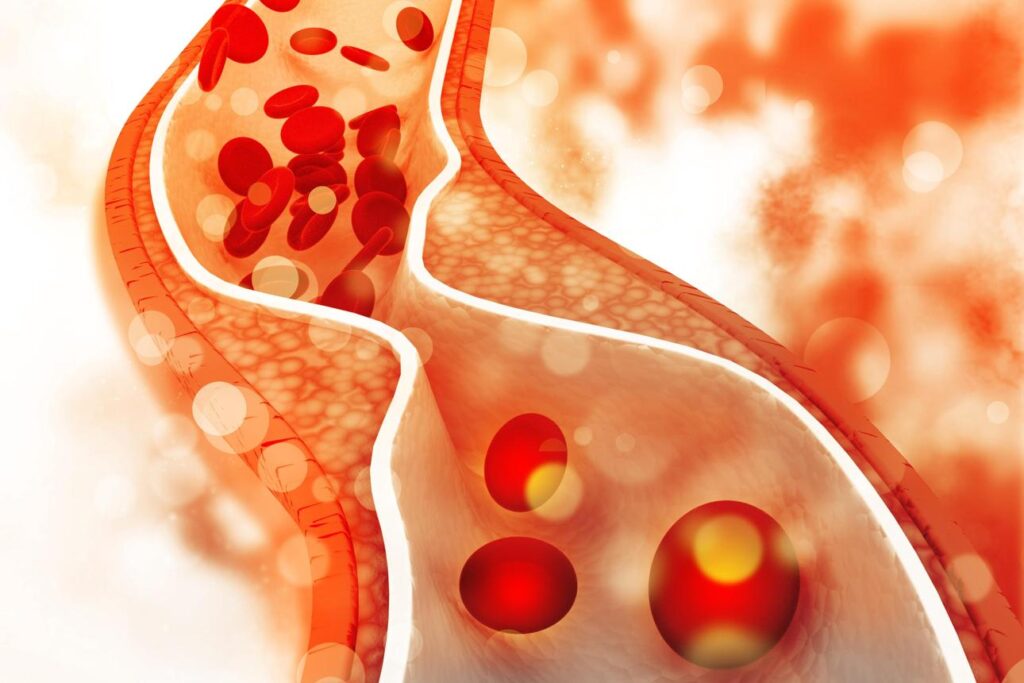
Atherosclerosis is characterized by deposition of cholesterol-rich plaques within arterial walls.
Process
- Endothelial injury
- LDL accumulation
- Oxidation of LDL
- Foam cell formation
- Plaque formation
Complications
- Myocardial infarction
- Stroke
- Hypertension
Gallstones and Cholesterol
Cholesterol is normally dissolved in bile.
When cholesterol concentration exceeds its solubility:
→ Cholesterol precipitates
→ Gallstones are formed
Risk Factors
- Obesity
- Female sex
- Pregnancy
- Diabetes mellitus
Familial Hypercholesterolemia
An inherited disorder caused by defective LDL receptors.
Features
- Markedly elevated LDL cholesterol
- Tendon xanthomas
- Premature coronary artery disease
Hypocholesterolemia
Decreased cholesterol levels may occur in:
- Hyperthyroidism
- Malnutrition
- Severe liver disease
- Chronic infections
Summary Table: Functions of Cholesterol
| Function | Importance |
|---|---|
| Cell membrane component | Maintains membrane fluidity |
| Steroid hormone synthesis | Cortisol, estrogen, testosterone |
| Bile acid formation | Fat digestion |
| Vitamin D synthesis | Calcium metabolism |
| Lipoprotein component | Lipid transport |
| Nervous tissue component | Myelin formation |
Comparison of LDL and HDL
| Feature | LDL | HDL |
|---|---|---|
| Full Form | Low Density Lipoprotein | High Density Lipoprotein |
| Function | Delivers cholesterol to tissues | Removes cholesterol from tissues |
| Nickname | Bad Cholesterol | Good Cholesterol |
| Effect on Heart | Increases risk | Protective |
| Atherosclerosis | Promotes | Prevents |