Introduction
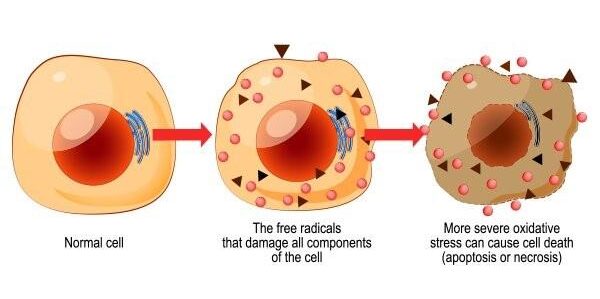
- Oxidative stress occurs when the body produces more reactive oxygen species (ROS) or free radicals than its antioxidant defenses can remove.
- Normally, small amounts of ROS are produced during metabolism and help in cell signaling and immune defense.
- Antioxidants such as superoxide dismutase (SOD), catalase, and glutathione protect cells by neutralizing excess ROS.
- When ROS levels become too high, they damage DNA, proteins, lipids (fats), and cell membranes, leading to cell injury.
- Long-term oxidative stress causes inflammation and contributes to the development of many chronic diseases.
- Oxidative stress plays an important role in the development of cancer by causing DNA damage and uncontrolled cell growth.
- In diabetes mellitus, high blood glucose increases ROS production, leading to complications such as kidney disease, eye damage, nerve damage, and heart disease.
- In atherosclerosis, oxidative stress causes oxidation of LDL (bad cholesterol), leading to plaque
What is Oxidative Stress?
Oxidative stress is defined as an imbalance between oxidants (free radicals and reactive oxygen species) and antioxidants.
Reactive oxygen species include:
- Superoxide anion (O₂•⁻)
- Hydrogen peroxide (H₂O₂)
- Hydroxyl radical (•OH)
- Singlet oxygen (¹O₂)
These molecules are highly reactive and can damage cellular components.
Normally, ROS are produced during:
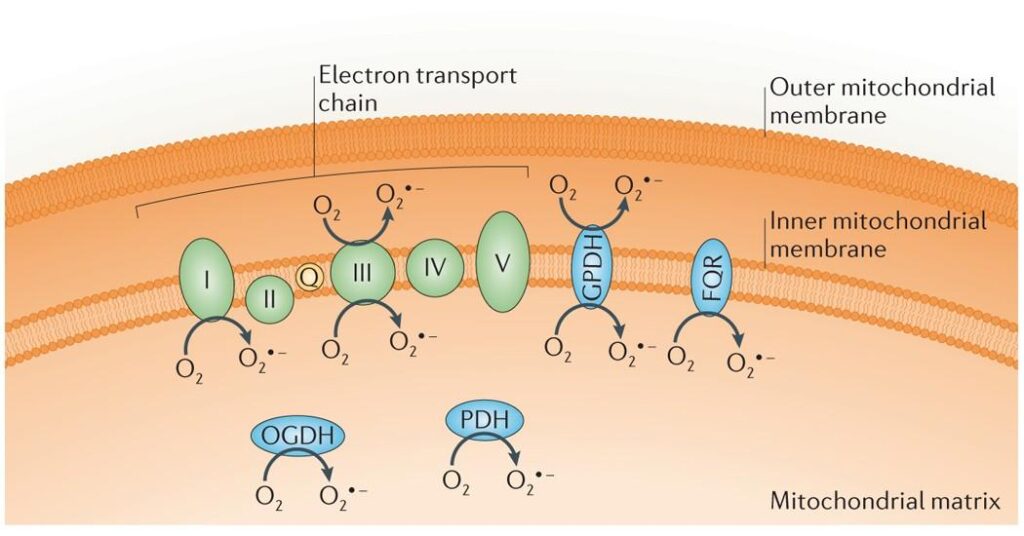
- Mitochondrial respiration
- Immune cell activation
- Cellular metabolism
In controlled amounts, ROS participate in:
- Cell signaling
- Immune defense
- Cell proliferation
- Apoptosis
However, excessive ROS become harmful.
Sources of ROS
Reactive oxygen species (ROS) are produced from both internal (endogenous) and external (exogenous) sources.
Endogenous (Internal) Sources
- Mitochondria – The main source of ROS during normal cellular respiration.
- NADPH oxidase – Produces ROS during the body’s immune response.
- Peroxisomes – Generate hydrogen peroxide during fatty acid metabolism.
- Xanthine oxidase – Produces ROS during purine metabolism.
- Inflammatory cells (neutrophils and macrophages) – Release ROS to destroy bacteria and viruses.
- Endoplasmic reticulum (ER) – Generates ROS during protein synthesis and folding.
- Cytochrome P450 enzymes – Produce ROS during drug and toxin metabolism.
Exogenous (External) Sources
- Cigarette smoking
- Air pollution
- Ultraviolet (UV) radiation
- Ionizing radiation (X-rays and gamma rays)
- Alcohol consumption
- Heavy metals (e.g., lead, mercury, cadmium)
- Environmental toxins and pesticides
- Certain drugs and chemicals
Antioxidant Defense System
The antioxidant defense system protects the body from the harmful effects of reactive oxygen species (ROS) and helps maintain the balance between oxidants and antioxidants.
Functions of Antioxidants
- Neutralize excess ROS (free radicals).
- Protect DNA, proteins, and lipids from oxidative damage.
- Prevent cell injury and inflammation.
- Maintain normal cellular function.
- Reduce the risk of chronic diseases.
Types of Antioxidants
1. Enzymatic Antioxidants
These are enzymes naturally produced by the body.
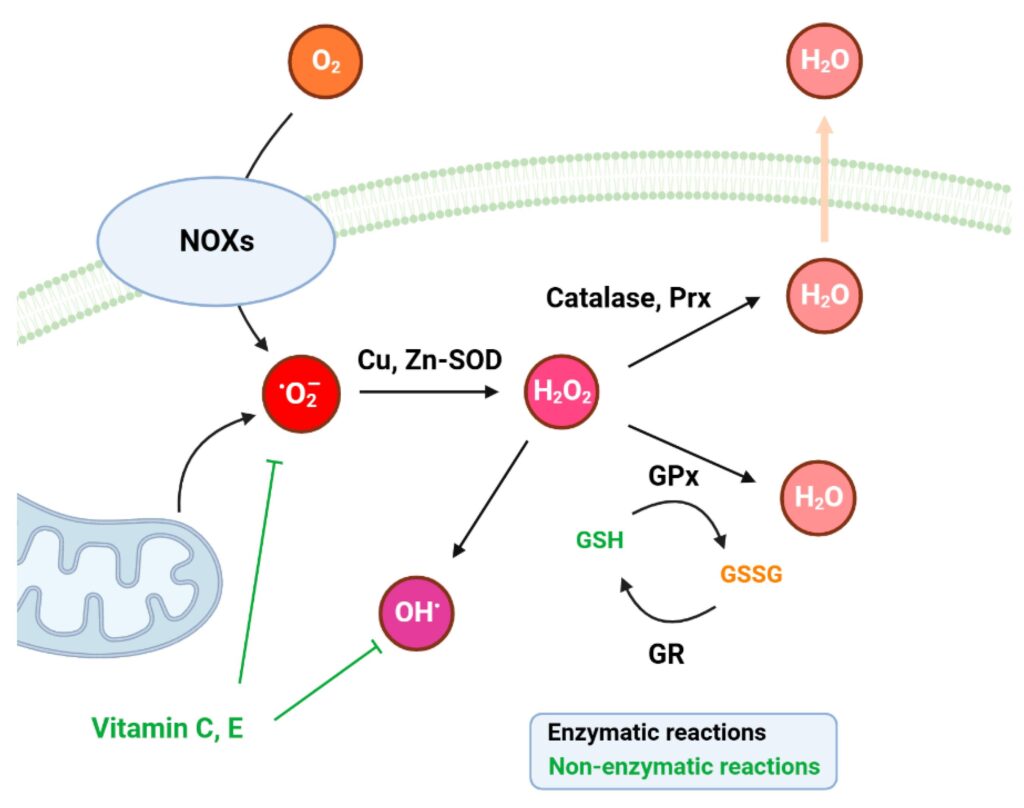
- Superoxide dismutase (SOD): Converts superoxide radicals into hydrogen peroxide.
- Catalase (CAT): Breaks down hydrogen peroxide into water and oxygen.
- Glutathione peroxidase (GPx): Removes hydrogen peroxide and lipid peroxides using glutathione.
- Glutathione reductase (GR): Regenerates reduced glutathione (GSH) from oxidized glutathione (GSSG).
2. Non-Enzymatic Antioxidants
These are antioxidants obtained from the body and diet.
- Glutathione (GSH): The most important intracellular antioxidant.
- Vitamin C (Ascorbic acid): Water-soluble antioxidant that neutralizes free radicals.
- Vitamin E (Tocopherol): Fat-soluble antioxidant that protects cell membranes.
- Beta-carotene: Helps protect cells from oxidative damage.
- Uric acid: Acts as a natural antioxidant in blood.
- Coenzyme Q10 (CoQ10): Protects mitochondria from oxidative damage.
- Selenium: Essential mineral required for the activity of glutathione peroxidase.
Role of Oxidative Stress in Cancer
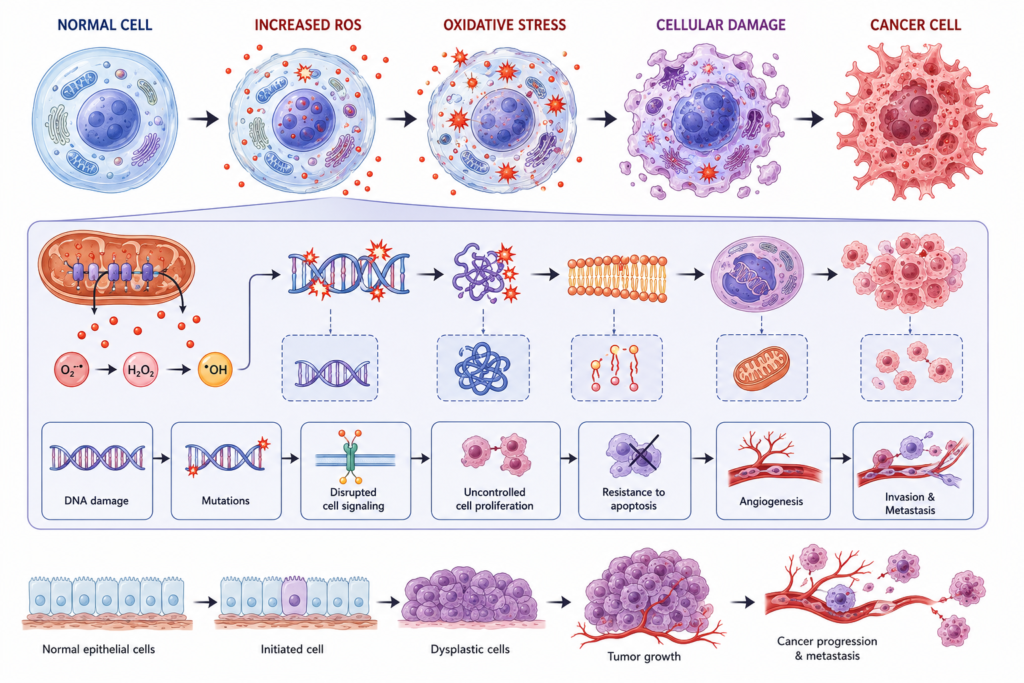
Oxidative stress plays an important role in the initiation, progression, and spread of cancer. Excessive production of reactive oxygen species (ROS) damages cellular components and promotes tumor development.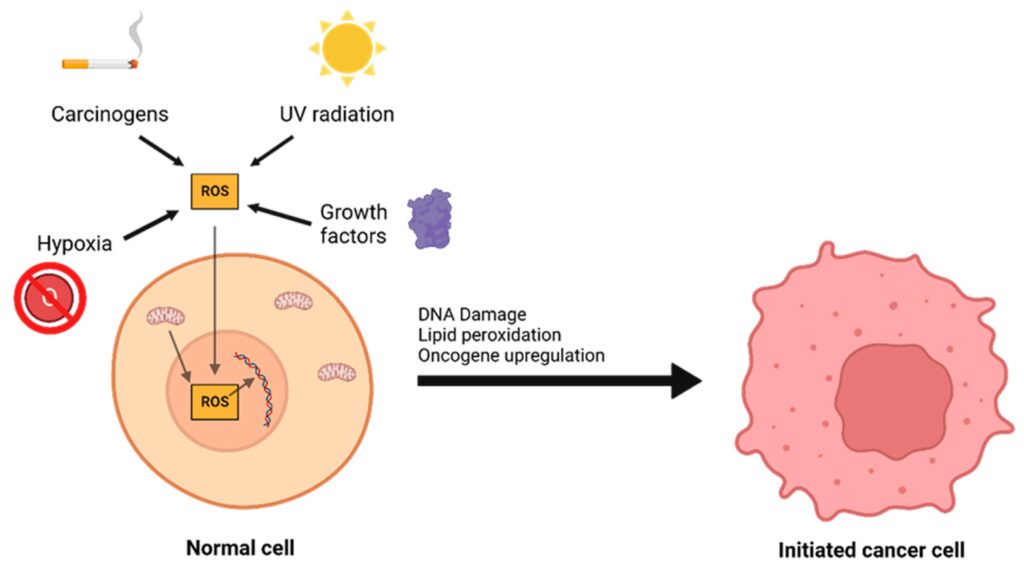
1. DNA Damage
- Excess ROS damage DNA by causing mutations and strand breaks.
- DNA damage can initiate the development of cancer.
2. Gene Mutations
- ROS activate oncogenes and inactivate tumor suppressor genes (e.g., TP53).
- These changes lead to uncontrolled cell growth and division.
3. Lipid Peroxidation
- ROS attack lipids in the cell membrane.
- This produces harmful substances that damage cells and DNA.
4. Protein Damage
- Oxidative stress alters the structure and function of proteins.
- Damaged proteins affect normal cell growth, repair, and enzyme activity.
5. Chronic Inflammation
- Continuous oxidative stress causes long-term inflammation.
- Inflammatory cells release more ROS, which further promotes cancer development.
6. Increased Cell Proliferation
- ROS activate signaling pathways that stimulate rapid cell division.
- This leads to uncontrolled tumor growth.
7. Angiogenesis
- Oxidative stress stimulates the formation of new blood vessels.
- These blood vessels supply oxygen and nutrients to the growing tumor.
8. Metastasis
- ROS help cancer cells invade nearby tissues.
- Cancer cells can spread to distant organs through the blood or lymphatic system.
9. Resistance to Apoptosis
- Oxidative stress allows cancer cells to escape apoptosis (programmed cell death).
- As a result, abnormal cells survive and continue to multiply.
10. Treatment Resistance
- High levels of oxidative stress can reduce the effectiveness of chemotherapy and radiotherapy.
- This makes cancer treatment more difficult.
Oxidative Stress in Diabetes Mellitus
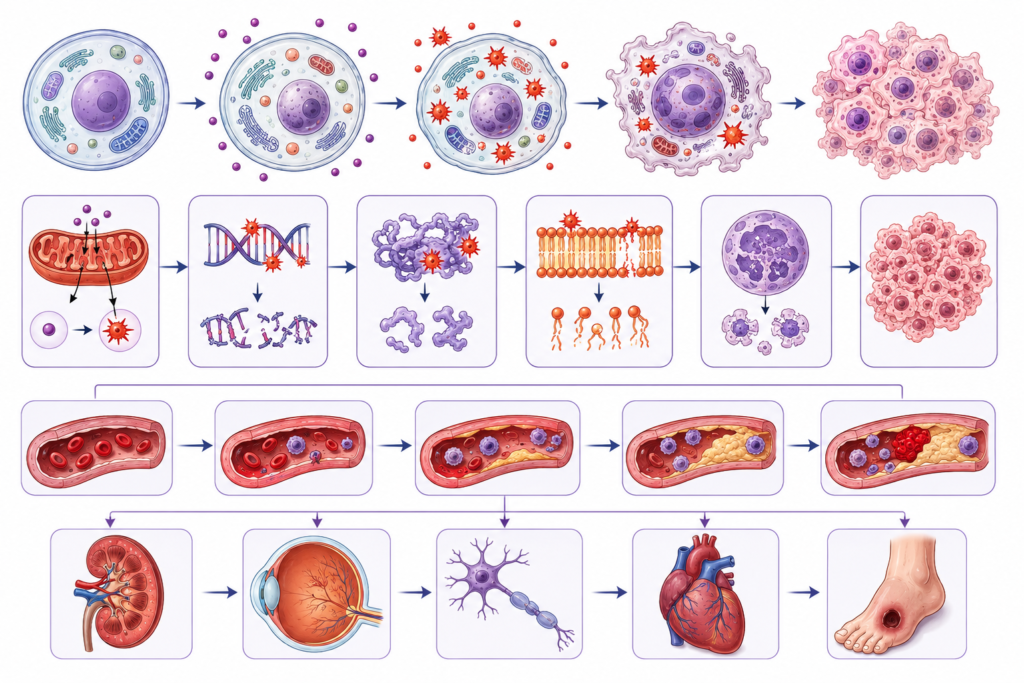
Diabetes mellitus is characterized by chronic hyperglycemia (high blood glucose levels), which increases the production of reactive oxygen species (ROS). Excess ROS cause oxidative stress, leading to cellular damage and the development of diabetic complications.
Mechanisms of Oxidative Stress in Diabetes Mellitus
1. Hyperglycemia-Induced ROS Production
- High blood glucose increases ROS production in mitochondria.
- Excess ROS damage cells, tissues, and blood vessels.
2. Formation of Advanced Glycation End Products (AGEs)
- High glucose reacts with proteins and lipids to form AGEs.
- AGEs increase oxidative stress and damage blood vessels.
- They also promote inflammation and tissue injury.
3. Polyol Pathway Activation
- Excess glucose is converted into sorbitol by the enzyme aldose reductase.
- This process consumes NADPH, reducing the availability of antioxidants such as glutathione (GSH).
- As a result, oxidative stress increases.
4. Protein Kinase C (PKC) Activation
- High glucose activates Protein Kinase C (PKC).
- PKC causes endothelial dysfunction, inflammation, and abnormal blood vessel function.
- This contributes to diabetic vascular complications.
Diabetic Complications Associated with Oxidative Stress
1. Diabetic Nephropathy
- ROS damage the glomeruli (filtering units) of the kidneys.
- This leads to:
- Albuminuria (protein in urine)
- Reduced kidney function
- Chronic kidney disease (CKD)
2. Diabetic Retinopathy
- Oxidative stress damages the small blood vessels of the retina.
- This may cause:
- Retinal ischemia
- Microaneurysms
- Vision loss
- Blindness
3. Diabetic Neuropathy
- ROS damage peripheral nerves.
- Common symptoms include:
- Pain
- Numbness
- Loss of sensation (sensory impairment)
4. Cardiovascular Disease
- Oxidative stress damages blood vessels and accelerates atherosclerosis.
- It increases the risk of:
- Coronary artery disease (CAD)
- Stroke
- Peripheral vascular disease (PVD)
Oxidative Stress in Atherosclerosis
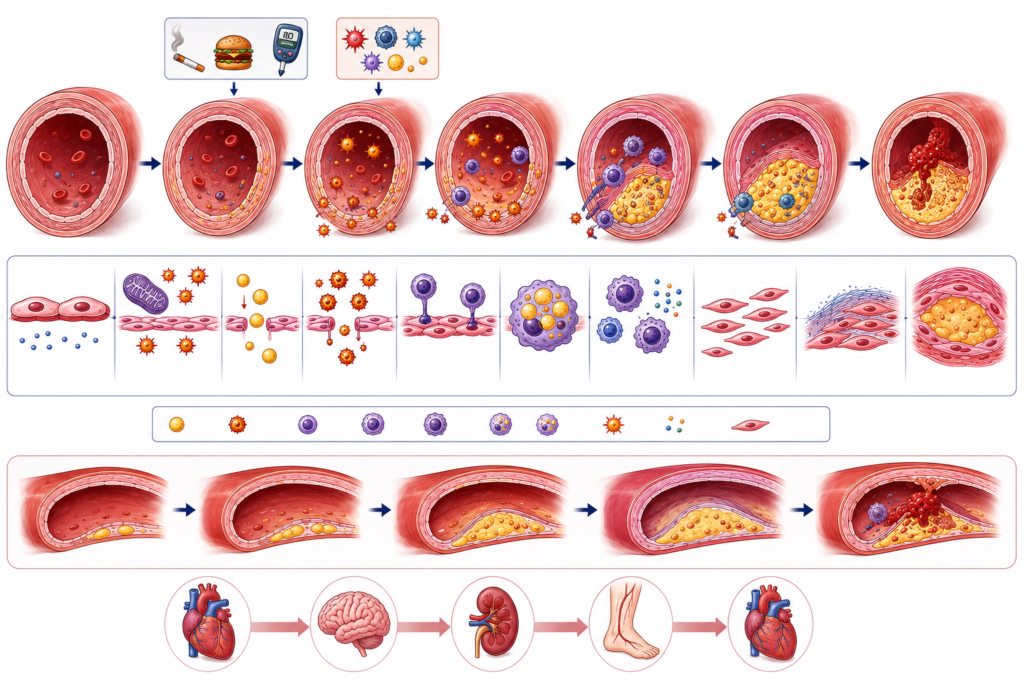
Atherosclerosis is a chronic inflammatory disease in which fatty deposits (plaques) build up inside the arteries. Oxidative stress plays a key role in the initiation, progression, and complications of atherosclerosis by damaging blood vessels and promoting plaque formation.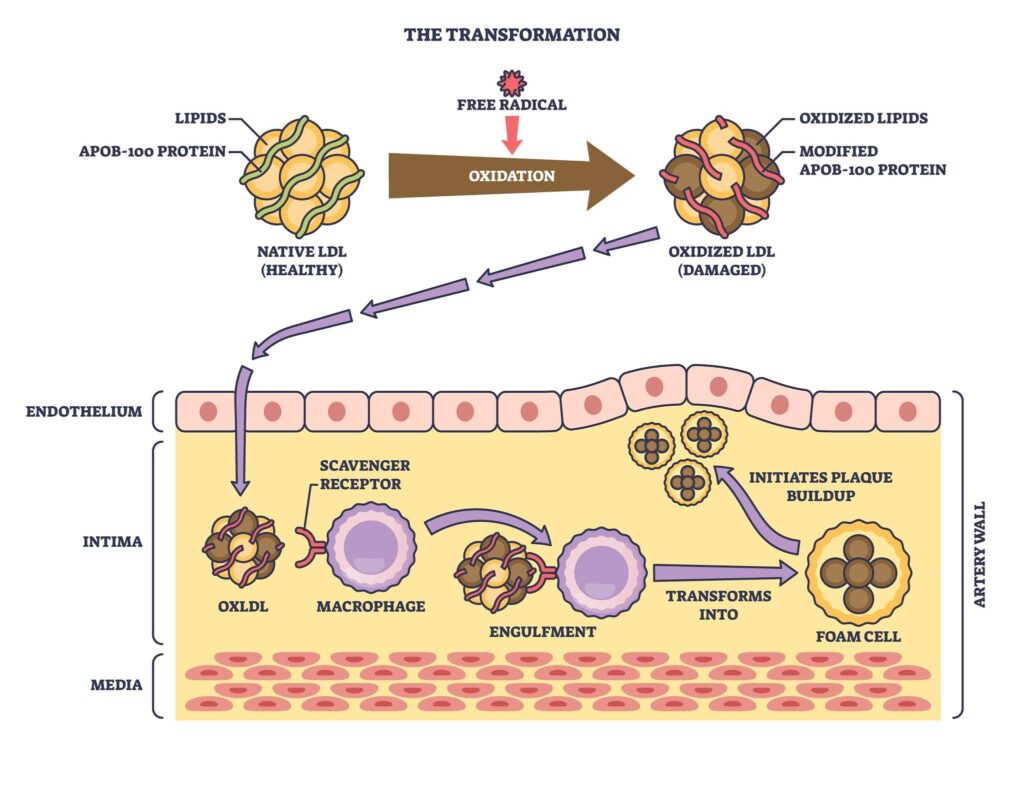
1. Endothelial Dysfunction
- Excess ROS damage the endothelium (inner lining of blood vessels).
- ROS reduce the availability of nitric oxide (NO), leading to poor blood vessel relaxation.
- This increases the risk of vascular injury.
2. Oxidation of LDL Cholesterol
- ROS oxidize low-density lipoprotein (LDL) to form oxidized LDL (Ox-LDL).
- Ox-LDL is more harmful than normal LDL.
- It triggers inflammation and promotes plaque formation.
3. Foam Cell Formation
- Macrophages engulf oxidized LDL through scavenger receptors.
- These lipid-filled macrophages become foam cells.
- Foam cells are the main components of early fatty streaks in arteries.
4. Plaque Formation
- Foam cells accumulate in the arterial wall.
- Smooth muscle cells migrate and multiply, forming an atherosclerotic plaque.
- Over time, the plaque narrows the artery and reduces blood flow.
5. Chronic Inflammation
- Oxidative stress activates inflammatory cells and cytokines.
- Continuous inflammation promotes plaque growth and instability.
6. Smooth Muscle Cell Proliferation
- ROS stimulate the growth and migration of smooth muscle cells.
- This contributes to the thickening of the arterial wall and plaque enlargement.
7. Plaque Rupture
- Oxidative stress weakens the fibrous cap of the plaque.
- A ruptured plaque can trigger blood clot (thrombus) formation.
8. Cardiovascular Complications
- Plaque rupture and clot formation may block blood flow.
- This can lead to:
- Myocardial infarction (heart attack)
- Stroke
- Peripheral arterial disease (PAD)
Common Mechanisms Linking Cancer, Diabetes, and Atherosclerosis
Several molecular mechanisms are shared among these diseases.
| Mechanism | Cancer | Diabetes | Atherosclerosis |
|---|---|---|---|
| DNA damage | ✓ | ✓ | Partial |
| Chronic inflammation | ✓ | ✓ | ✓ |
| Mitochondrial dysfunction | ✓ | ✓ | ✓ |
| Lipid peroxidation | ✓ | ✓ | ✓ |
| Endothelial dysfunction | Partial | ✓ | ✓ |
| Oxidized LDL | No | Partial | ✓ |
| Cytokine activation | ✓ | ✓ | ✓ |
| Cell apoptosis | ✓ | ✓ | ✓ |
Laboratory Biomarkers of Oxidative Stress
Laboratory biomarkers of oxidative stress help assess the balance between oxidants and antioxidants in the body. They are useful for evaluating oxidative damage and monitoring various diseases.
| Biomarker | Method | Clinical Significance |
|---|---|---|
| Malondialdehyde (MDA) | TBARS assay / Spectrophotometry | Marker of lipid peroxidation; increased levels indicate oxidative damage to cell membranes. |
| 8-Hydroxy-2′-deoxyguanosine (8-OHdG) | ELISA, HPLC, or LC-MS/MS | Marker of DNA oxidation; elevated levels indicate oxidative DNA damage. |
| Superoxide Dismutase (SOD) | Enzyme activity assay (Spectrophotometry) | Reduced activity suggests impaired antioxidant defense. |
| Catalase (CAT) | Catalase activity assay (Spectrophotometry) | Low activity indicates increased oxidative stress. |
| Glutathione (GSH) | DTNB (Ellman’s reagent) assay / Spectrophotometry | Low levels indicate reduced intracellular antioxidant capacity. |
| Glutathione Peroxidase (GPx) | Enzyme activity assay (Spectrophotometry) | Decreased activity indicates increased oxidative stress. |
| Glutathione Reductase (GR) | Enzyme activity assay (Spectrophotometry) | Maintains glutathione levels by regenerating reduced GSH. |
| Total Antioxidant Capacity (TAC) | FRAP assay, ABTS assay, ORAC assay | Measures the overall antioxidant capacity of the body. |
| Oxidized Low-Density Lipoprotein (Ox-LDL) | ELISA | Elevated levels are associated with atherosclerosis and cardiovascular disease. |
| Protein Carbonyls | DNPH assay (Spectrophotometry) | Marker of protein oxidation; increased levels indicate oxidative protein damage. |
| Nitric Oxide (NO) | Griess Reagent Assay | Reduced levels indicate endothelial dysfunction due to oxidative stress. |
| Reactive Oxygen Species (ROS) | DCFH-DA Fluorescence Assay / Flow Cytometry | Increased ROS levels indicate oxidative stress and cellular damage. |
Prevention and Management
Prevention and management of oxidative stress focus on reducing the production of reactive oxygen species (ROS) and strengthening the body’s antioxidant defense system.
1. Eat a Healthy Diet
- Consume plenty of fruits and vegetables rich in antioxidants.
- Include foods containing Vitamins C and E, selenium, zinc, and beta-carotene.
- Eat whole grains, nuts, seeds, and green leafy vegetables.
2. Regular Physical Exercise
- Perform moderate exercise regularly.
- Exercise improves antioxidant enzyme activity and reduces oxidative stress.
3. Maintain Healthy Blood Glucose Levels
- Keep blood sugar under control through diet, exercise, and prescribed medications.
- Good glycemic control helps reduce ROS production.
4. Quit Smoking and Limit Alcohol
- Avoid cigarette smoking and tobacco products.
- Limit alcohol consumption, as both increase free radical production.
5. Maintain a Healthy Body Weight
- Achieve and maintain an ideal body weight.
- Obesity is associated with increased oxidative stress and inflammation.
6. Manage Stress
- Practice stress-reducing activities such as yoga, meditation, and deep breathing exercises.
- Reducing stress lowers oxidative damage.
7. Get Adequate Sleep
- Aim for 7–8 hours of quality sleep each night.
- Proper sleep supports the body’s antioxidant defense system.
8. Control Blood Pressure and Cholesterol
- Maintain normal blood pressure and lipid levels.
- This helps prevent oxidative damage to blood vessels.
9. Antioxidant Supplementation
- Antioxidant supplements such as Vitamin C, Vitamin E, selenium, and Coenzyme Q10 may be recommended in selected individuals under medical supervision.
- Avoid self-medication with high-dose antioxidant supplements.
10. Regular Health Check-ups
- Monitor blood glucose, lipid profile, blood pressure, and oxidative stress-related biomarkers when indicated.
- Early diagnosis and treatment can help prevent complications.